Key takeaways
- Peel-and-stick vinyl tiles usually release cleanly after 30–60 seconds of low heat from a heat gun or hair dryer held 10–15 cm away.
- Ceramic and porcelain tile cannot be peeled; it must be chiseled or power-scraped off its thinset mortar bed.
- Vinyl tiles and black mastic laid before the early 1980s should be tested for asbestos before they are scraped, sanded or broken.
- Citrus and soy-based adhesive removers dissolve most flooring glue, but every trace must be washed off before new flooring adhesive goes down.
- For vinyl, a common subfloor flatness guideline is no more than 3 mm of variation over 1.8 m (1/8 in over 6 ft).
How to remove tile floor depends on what is down there: peel-and-stick vinyl tiles lift with gentle heat and a putty knife, glued vinyl needs a floor scraper plus an adhesive glue remover, and ceramic tile must be broken out with a hammer and chisel or a power scraper. Clean the leftover glue completely before installing anything new.
This guide walks through each floor type, the tools that make the job easier, how to dissolve old adhesive safely, what professional tile removal costs, and how to pick a replacement floor that will come up cleanly next time.
First, identify what kind of tile you are removing
The single biggest factor in the best way to remove tile floor is the material and how it was bonded. Lift a corner tile near a doorway or inside a closet to check before you buy tools.
| Floor type | How it is bonded | Typical removal method | Difficulty |
|---|---|---|---|
| Peel-and-stick vinyl tile or plank | Factory-applied pressure-sensitive adhesive (PSA) | Heat gun or hair dryer, putty knife, hand peel | Easy |
| Glue-down vinyl tile or sheet vinyl | Trowel-applied flooring adhesive | Long-handled floor scraper, heat, adhesive remover | Moderate |
| Ceramic or porcelain tile | Thinset mortar over cement board, plywood or concrete | Hammer and chisel, rotary hammer or power scraper | Hard |
| Pre-1980s 9 × 9 in (23 × 23 cm) vinyl tile | Often black cutback mastic | Test for asbestos first; do not sand or grind | Specialist |
Safety note: older vinyl tiles and the black mastic beneath them can contain asbestos. If your floor dates from before the early 1980s, have a sample tested by an accredited lab before you scrape, sand or break anything. Intact tiles left in place, or covered over, are generally considered lower risk than disturbed ones.
How to remove peel-and-stick floor tiles
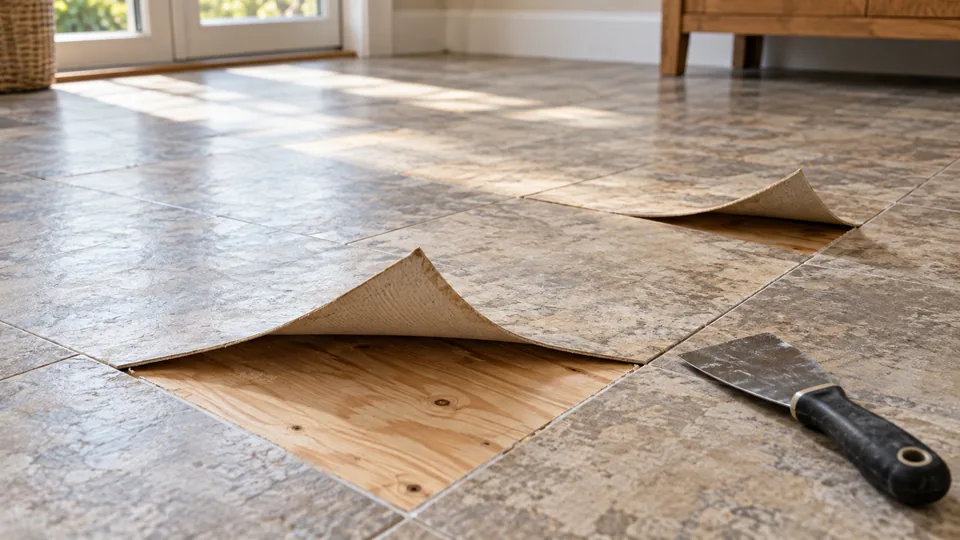
Self-adhesive vinyl tiles are designed to stick with pressure, not with a chemical bond, so softening the adhesive with warmth is usually all you need. At room temperature (20–25 °C / 68–77 °F) many tiles come up cleanly; tiles laid for several years or in a sunny room may need more heat.
- Clear and protect the room. Remove baseboard shoe molding or transition strips with a pry bar so the tile edges are exposed.
- Warm the first tile. Hold a heat gun on a low setting (or a hair dryer on high) 10–15 cm (4–6 in) from the surface for 30–60 seconds, moving constantly so the vinyl does not scorch.
- Lift a corner. Slide a stiff putty knife or a 10 cm (4 in) scraper under the corner at a low angle.
- Peel slowly and low. Pull the tile back on itself at a shallow angle while reheating ahead of the peel line. Slow peeling leaves more adhesive on the tile and less on the floor.
- Work in rows. Once one row is up, the next tiles have an exposed edge, which makes them much faster to take up.
- Remove residue. Scrape off ridges of glue, then dissolve the remaining film (see the adhesive section below).
- Clean and check the subfloor. Wash, let dry and inspect for damage, raised nails or gaps before laying a new floor.
For large rooms, a long-handled floor scraper with a 10–30 cm (4–12 in) blade lets you work standing up. Push it at a low angle; a steep angle gouges plywood and luan underlayment.
How do you take up glue-down vinyl flooring?
Glue-down vinyl tile and sheet vinyl are bonded with trowel-applied adhesive that has cured hard, so expect more scraping. Score sheet vinyl into strips about 30 cm (12 in) wide with a utility knife, then peel each strip back while a helper slides the floor scraper under it.
The vinyl wear layer usually tears away from its felt backing. Wet the remaining felt with warm water and a little dish soap, wait 10–15 minutes, and it scrapes off far more easily. On concrete, a long-handled scraper or a rented power floor scraper handles large areas quickly.
How to remove tile floor made of ceramic, including bathroom floor tile
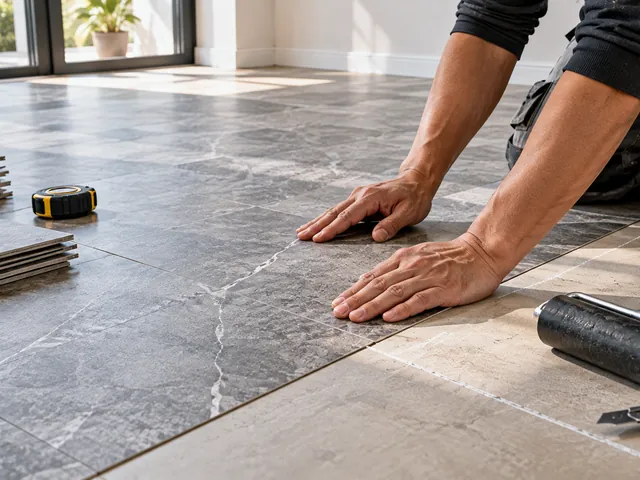
If you are asking how to pull up tile that is ceramic or porcelain, the answer is that it does not peel; it has to be broken off its mortar bed. This is the dustiest version of the job, so seal doorways with plastic sheeting and wear safety glasses, gloves, long sleeves and an N95 or better respirator.
- Start at a weak point. Find a cracked tile or chip out the grout around one tile with a grout saw or oscillating tool.
- Break the first tile. Tap it with a hammer through a towel, then drive a cold chisel or brick set under the pieces at a 30–45° angle.
- Work along the floor. With an edge exposed, the next tiles pop off faster. A rotary hammer with a wide chisel bit, or a rented electric floor scraper, saves hours on rooms over about 10 m² (100 sq ft).
- Remove thinset. Grind or scrape the leftover mortar until the substrate is flat, or remove the cement board entirely if you are replacing it anyway.
When removing bathroom floor tile, shut off the water and remove the toilet first, stuff a rag in the drain flange and protect the tub. Check the subfloor around the toilet for soft, water-damaged wood before laying anything new.
How to take down tile wall and backsplash tile
Removing tile from wall surfaces follows the same logic, but gravity helps you and drywall is easily damaged. Decide first whether you are saving the wall or replacing it. If the tile is on drywall and you plan to re-tile, it is often faster and cleaner to cut out the drywall and tile together in sections.
- Saving the drywall: remove grout, then slide a wide, thin putty knife or a dedicated wall tile removal tool behind each tile and tap it gently. Expect some paper-face damage that needs skim-coating.
- On cement board or plaster: a hammer and a 5–7 cm (2–3 in) chisel, held at a low angle, is the best way to remove wall tiles one by one.
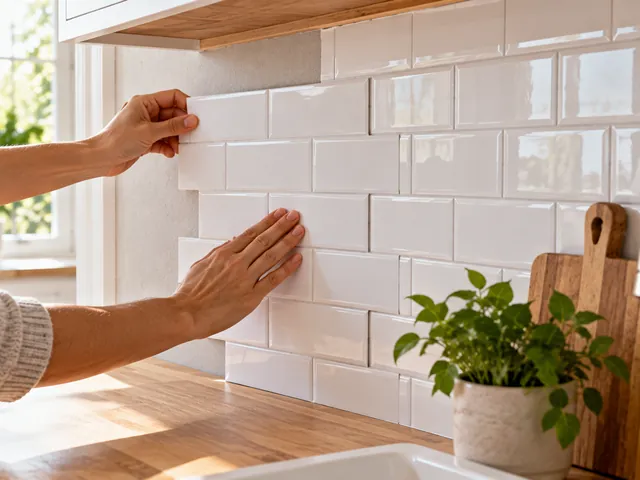
- Peel-and-stick backsplash tiles: warm them with a hair dryer and peel slowly downward; they usually release without damaging painted drywall if the paint was fully cured before installation.
What dissolves adhesive? Choosing the best glue remover
Most peel-and-stick tiles use an acrylic or rubber-based PSA. Glue-down floors use acrylic, latex or, on very old floors, asphalt-based cutback adhesive. What dissolves adhesive depends on that chemistry, so test any product on a small area first.
| Remover type | Works best on | Notes |
|---|---|---|
| Warm water + dish soap | Water-based adhesives, felt backing | Cheapest first step; let it soak 10–15 min |
| Citrus (d-limonene) adhesive glue remover | PSA residue from peel-and-stick tile, sticky film | Low odor; wipe off fully before new adhesive goes down |
| Soy- or ester-based mastic remover | Cured flooring adhesive, cutback mastic | Slow-acting, low VOC; often the best glue remover for large floors |
| Mineral spirits | Rubber-based PSA | Flammable; ventilate well and keep away from ignition sources |
| Isopropyl alcohol (70–90%) | Thin residue on tile, glass, sealed concrete | Evaporates cleanly; less effective on thick glue |
DIY and homemade glue remover options
A practical homemade glue remover for light peel-and-stick residue is a paste of baking soda and cooking oil in roughly equal parts. Spread it on, wait 15–30 minutes, scrape, then wash the oil off thoroughly with hot soapy water, because oil left on the subfloor will stop new flooring adhesive from bonding. White vinegar with hot water is another DIY glue remover for water-based adhesives.
If you only need to clean adhesive from a small surface, our guide on removing sticker residue from any surface covers the same chemistry in more detail.
How to remove tile glue from tiles you want to reuse
Ceramic tiles you want to salvage can be soaked in warm water to soften thinset slightly, then cleaned with a carbide scraper. For peel-and-stick tiles you hope to reuse, the factory adhesive is usually too contaminated with dust after removal; plan on buying new tiles.
Tile removal cost: what do pros charge?
Tile removal cost varies with floor type, region and how much mortar is left behind. In many US markets, contractors typically quote removal per square foot, with these broad patterns:
- Peel-and-stick or loose-lay vinyl: the cheapest to remove, often well under the price of ceramic, because no breaking is involved.
- Glue-down vinyl: moderate, driven by how stubborn the adhesive is.
- Ceramic and porcelain: the most expensive; the cost to remove tile floor typically lands somewhere around a few dollars per square foot, more if the underlayment comes out too.
- No dust tile removal cost: dust-containment systems with vacuum-shrouded tools usually carry a premium over standard removal, which many homeowners accept for occupied homes.
The average cost of flooring removal and installation together depends mostly on the new floor. A tile removal cost calculator from a contractor or retailer will ask for room area, existing floor type, number of layers and disposal. To compare tile removal price quotes fairly, confirm each one includes debris haul-away, subfloor repair allowances and baseboard removal and reinstallation.
The easiest way to remove tile next time: choose removable flooring
The easiest way to remove floor tile is to install one that was designed to come up. Removable peel-and-stick floor tile and removable vinyl flooring use a PSA engineered for a clean release, which matters for rentals, pop-up shops and trade-show booths.
Our self-adhesive wallpaper and floor films range includes PVC floor coverings such as the peel-and-stick PVC vinyl floor tile, a 0.3 mm embossed, skid-resistant film supplied in 0.61 m and 1.22 m widths by 50 m rolls, and the 3D geometric and mosaic floor tiles in 0.61 m × 10 m rolls. Thin films like these follow the subfloor closely, so the subfloor must be smooth, dry and dust-free.
For short-term graphics, removable floor decals and removable floor stickers are printed or cut from vinyl with a low-tack adhesive and an anti-slip laminate. Custom removable floor decals are common for wayfinding and retail promotions; see our guide to floor decals and stair riser stickers. Removable tile stickers for backsplashes work on the same principle on walls.
Prepare the subfloor before new flooring goes down
Once the old floor is out, the subfloor decides how well the next one performs. Peel-and-stick products are especially sensitive: any glue ridge, nail head or grit telegraphs through thin vinyl within weeks.
- Scrape and dissolve all old adhesive; the floor should feel smooth, not tacky.
- Fill gouges and seams with a floor patch and sand flush once cured.
- Check flatness: a common guideline is no more than about 3 mm over 1.8 m (1/8 in over 6 ft) for vinyl.
- Prime porous surfaces such as concrete or new plywood if the flooring maker recommends it.
Our step-by-step subfloor preparation guide picks up exactly where this article ends, including moisture testing on concrete.
If you resell flooring or manage rental turnovers, clean removability is a selling point worth specifying. Ask suppliers which adhesive grade a product uses, request samples to test on your typical subfloors, and keep a record of approved batches so repeat orders behave the same way.
Next step
If you are sourcing removable vinyl flooring or floor stickers for resale, rentals or retail projects, send us the pattern, width, roll length and quantity you need. We supply free A4 samples and reply with a quotation within 24 hours through our contact page.
Frequently Asked Questions
What is the best way to remove tile floor?
The best way to remove tile floor depends on the type. Peel-and-stick vinyl lifts with gentle heat and a putty knife, glue-down vinyl needs a long-handled floor scraper and adhesive remover, and ceramic or porcelain must be broken out with a hammer and chisel or a power scraper. Always identify the floor type and check older floors for asbestos first.
What dissolves adhesive left by peel-and-stick tiles?
Most peel-and-stick residue is an acrylic or rubber-based pressure-sensitive adhesive. Citrus-based removers, mineral spirits and soy-based mastic removers dissolve it well, and warm soapy water softens lighter films. Test on a small area, let the product dwell as directed, scrape, and wash the floor clean so no oily film remains under the next floor.
Is there a homemade glue remover that works on floors?
A paste of baking soda and cooking oil in roughly equal parts softens light peel-and-stick residue in 15 to 30 minutes. Hot water with white vinegar helps with water-based glues. Both need a thorough wash with hot soapy water afterward, because leftover oil or residue prevents new flooring adhesive from bonding properly.
How much does tile removal cost?
Tile removal cost is usually quoted per square foot and depends on the floor type, region and disposal. Peel-and-stick and loose-lay vinyl are the cheapest to remove, glue-down vinyl costs more, and ceramic or porcelain is the most expensive. Dust-free removal systems typically add a premium. Get itemized quotes that include haul-away and subfloor repair.
How do you remove bathroom floor tile?
Shut off the water, remove the toilet and plug the drain flange with a rag. Chip out grout around one tile, break it with a hammer, then drive a chisel under neighboring tiles at a low angle. Scrape or grind away the thinset, and check the subfloor around the toilet for soft, water-damaged wood before installing new flooring.
What is the easiest way to remove floor tile?
Peel-and-stick vinyl is the easiest floor tile to remove: warm each tile with a hair dryer or heat gun, lift a corner with a putty knife and peel slowly at a low angle. Working in rows from an exposed edge speeds things up. Ceramic tile is far harder because it is bonded with cement-based thinset mortar.
Can you remove tile from a wall without damaging drywall?
Sometimes. Remove the grout first, then slide a thin, wide putty knife or wall tile removal tool behind each tile and tap gently. Some paper-face damage is likely and can be skim-coated. If you plan to re-tile anyway, cutting out the drywall and tile together is often faster and produces less mess.
Are removable floor decals safe for rented homes?
Removable floor decals and stickers use a low-tack adhesive designed to peel cleanly from sealed, smooth floors such as finished wood, vinyl, tile and sealed concrete. Test a small piece first, avoid unsealed or freshly finished floors, and peel slowly at a low angle when removing to minimize any residue.