Key takeaways
- Peel and stick wallpaper is a three-layer laminate of a printed face film, usually PVC, a pressure-sensitive adhesive and a release liner.
- On a smooth, primed and fully cured interior wall, good quality peel and stick wallpaper typically lasts three to five years.
- Removable self-adhesive wallpaper usually peels off painted walls cleanly when pulled slowly at a low angle and warmed if needed.
- Thicker films of 0.15 mm and above hide wall imperfections and resist scuffs better than thin budget films.
- Textured, damp, unprimed or freshly painted walls are the most common reasons peel and stick wallpaper lifts at the edges.
Peel and stick wallpaper is a self-adhesive wallcovering, usually PVC vinyl, with a pressure-sensitive adhesive on the back and a release liner you peel away as you hang it. It needs no paste, water or soaking, repositions during installation, and on a sound painted wall it typically peels off later without damage. It lasts several years indoors.
That convenience explains why self adhesive wallpaper has moved from renter workaround to mainstream decor. Below is what it is made of, how it compares with traditional paste wallpaper, where it works and where it fails, and how to judge quality before you buy a single roll or a full pallet.
What is peel and stick wallpaper made of?
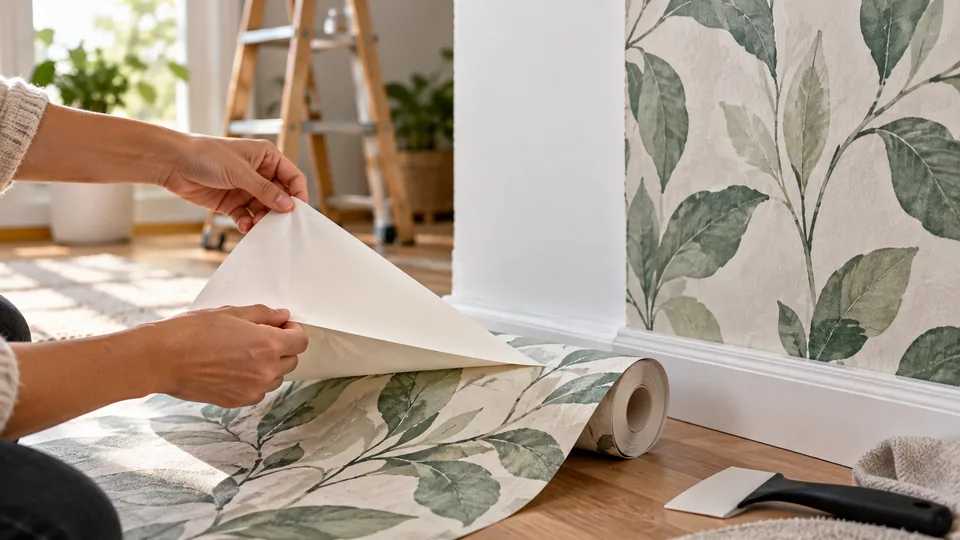
A roll of peel stick wallpaper is a three-layer laminate:
- Face film. Most often printed PVC (polyvinyl chloride) vinyl, typically 0.1–0.3 mm (4–12 mil) thick. Some products use PET, non-woven fabric or paper faces. The face may be smooth, embossed or textured to imitate grasscloth, wood or stone.
- Pressure-sensitive adhesive (PSA). A layer, usually acrylic, that bonds on contact with light pressure and no activation by water or heat. Removable PSAs are formulated to hold for years yet release cleanly from paint.
- Release liner. A silicone-coated paper or film, often printed with a measuring grid, that protects the adhesive until application.
Product names vary: self glue wallpaper, sticky wallpaper, stickable wallpaper, wallpaper stickers and adhesive wallpaper all describe the same construction. Contact paper is the same idea in a thinner, cheaper film. For a deeper look at adhesive chemistry, see our explainer on pressure-sensitive adhesives.
Peel and stick wallpaper vs traditional, pre-pasted and paste-the-wall wallpaper
There are four ways to get wallpaper onto a wall. The differences matter more than the patterns do.
| Type | How it sticks | DIY difficulty | Removal | Typical lifespan |
|---|---|---|---|---|
| Peel and stick (self-adhesive) | Factory-applied PSA | Easy; no tools beyond a knife and smoother | Usually peels off dry | 3–5+ years indoors |
| Pre pasted wallpaper | Dry paste activated with water | Moderate; wet and messy | Needs steam or remover | 10–15 years |
| Paste the wall wallpaper | Adhesive rolled onto the wall | Moderate | Usually strippable dry | 10–15 years |
| Non pasted (wallpaper and paste) | Paste applied to the back of each strip | Hardest; booking time needed | Often needs soaking and scraping | 15+ years |
Traditional wallpaper wins on longevity and choice of premium substrates such as real grasscloth or fabric wallpaper. Self adhesive wall paper wins on speed, cleanliness and reversibility, which is why it dominates for rentals, dorms, furniture and small accent walls.
Is peel and stick wallpaper good? Pros and cons
For most homes the answer is yes, as long as you match the product to the wall. Here is the honest balance.
Advantages
- Fast, clean installation. No paste tray, no booking time and no wet edges to sponge.
- Repositionable. Most products can be lifted and realigned in the first minutes, which is forgiving for beginners.
- Removable. Removable peel and stick wallpaper is designed to come off primed, painted walls without lifting paint.
- Waterproof and wipeable. PVC faces resist splashes and can be wiped with a damp cloth, which suits kitchens, half baths and kids rooms.
- Works beyond walls. The same film covers cabinets, dressers, desks, shelves and drawer fronts.
Disadvantages
- Shows wall flaws. Thin films telegraph bumps, nail pops and rough texture.
- Struggles on some surfaces. Textured, freshly painted, low-VOC matte or damp walls can cause edges to lift.
- Seams can open in rooms with large temperature swings or direct sun.
- Cost per square meter is often higher than basic paste wallpaper, though labor is lower.
- Not reusable in practice; once removed, the adhesive collects dust and the film stretches.
How long does peel and stick wallpaper last?
On a smooth, primed, fully cured interior wall, good quality peel and stick wallpaper typically lasts three to five years, and many PVC grades carry a 3- or 5-year warranty. Several factors shorten that:
- Surface preparation. Dust, grease or uncured paint is the most common cause of failure. Fresh paint should cure for about 2–4 weeks.
- Humidity. Bathrooms without an extractor fan cause edges to curl. Choose a waterproof, mould-proof grade and ventilate.
- Heat and sunlight. UV fades prints and softens adhesive; keep films away from radiators and stoves.
- Film thickness. Thick wallpaper (0.2 mm and above) resists scuffs and hides imperfections better than thin decorative film.
Is peel and stick wallpaper easy to remove?
Usually, yes. Lift a corner, pull back slowly at a low angle close to the wall, and warm stubborn areas with a hairdryer on low heat to soften the adhesive. Problems happen when the paint underneath was poorly bonded or unprimed, in which case paint can lift with the film.
Any light residue wipes off with warm soapy water. Our step-by-step guide on how to remove wallpaper and peel-and-stick wallpaper covers taking off wallpaper of every kind, including how to get wallpaper off drywall.
How do you apply peel and stick wallpaper?
Wallpaper application with self-adhesive rolls is the most beginner-friendly method. The core steps:
- Prep the wall: clean, fill, sand and prime; let paint cure.
- Measure and cut: add 5 cm (2 in) at top and bottom and note the pattern repeat.
- Mark a plumb line with a level for the first strip.
- Peel 30 cm (12 in) of liner, align the top and smooth downward from the center outward.
- Match each next strip to the pattern and butt the seams.
- Trim excess with a sharp blade and press edges firmly.
Is wallpaper hard to install? With peel and stick, a beginner can typically finish an accent wall in two to four hours. Full detail, including corners and outlets, is in our guide on how to install peel-and-stick wallpaper.
Where can you use self adhesive wallpaper?
- Rentals and dorms: peel and stick wallpaper for rentals is the main reason the category exists. See our renter-friendly wall ideas.
- Accent walls: bedrooms, dining rooms, foyers and hallways.
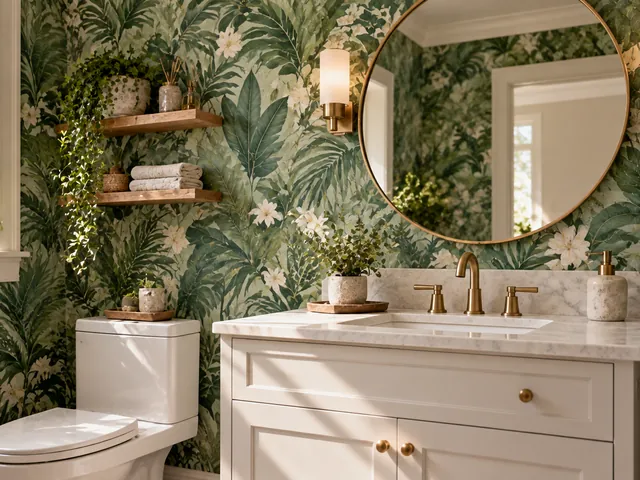
- Half baths and powder rooms: small, low-humidity spaces where a bold pattern makes an impact with one or two rolls.
- Kitchens: peel and stick backsplash wallpaper and marble film behind sinks, away from direct flame.
- Furniture and cabinets: wallpaper for cabinets, the inside of cabinets, dressers, desks, pantry shelves and even fridge fronts.
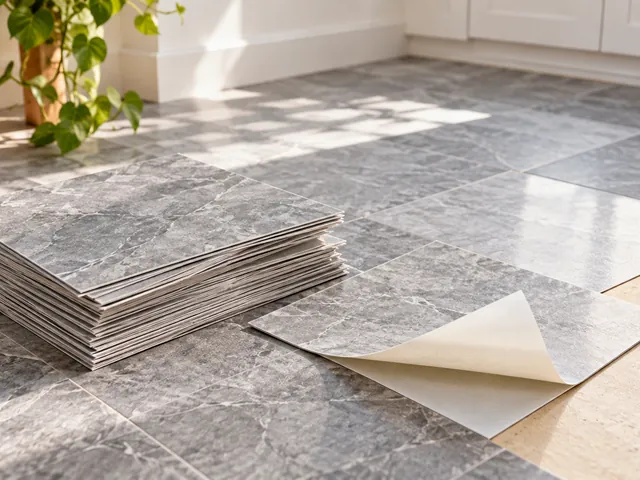
- Countertops: marble film can cover a worktop, though it needs care; test a sample before covering a full worktop.
Avoid showers, exterior walls, unprimed drywall, textured plaster and any surface that gets hot.
Popular peel and stick wallpaper styles
Because PVC prints well, almost any look is possible. The strongest-selling categories are:
- Floral peel and stick wallpaper: vintage floral, botanical, dark floral and large scale blooms for bedrooms and cottage core rooms.
- Modern and minimalist: solid color wallpaper, subtle textures and mid century modern wallpaper with geometric and atomic motifs.
- Boho and grasscloth: faux grasscloth peel and stick wallpaper reproduces woven texture without the delicate natural fibers.
- Wood and stone: wood panel wallpaper, wood look peel and stick wallpaper, concrete and stone effects. Our self-adhesive wood grain wallpaper is 0.12–0.18 mm PVC in 0.61 m × 3 m rolls.
- Marble: glossy marble peel and stick wallpaper for bathrooms and kitchens.
- Tile looks: peel and stick wallpaper that looks like tile, subway and mosaic patterns, and peel and stick wall tiles cut into squares.
- Fun and funky: art deco style, pop art, whimsical and colorful prints for kids rooms and statement walls.
Paintable wallpaper is a separate category: a white embossed surface designed to be painted. Paintable peel and stick wallpaper exists, but paint adhesion depends on the film, so test a sample first.
What is the best peel and stick wallpaper? How to judge quality
Rather than chasing the best wallpaper brands, compare the specifications that actually predict performance:
| Check | Budget film | High quality film |
|---|---|---|
| Face thickness | 0.08–0.12 mm | 0.15–0.3 mm or thicker |
| Visible pixelation close up | Sharp, consistent color between batches | |
| Adhesive | Thin, uneven coat | Even coat, removable or permanent grade stated |
| Liner | Plain paper | Gridded liner for straight cutting |
| Functions | Water-resistant only | Waterproof, mould-proof, optional fire-retardant |
| Test reports | None | Material and safety test reports available |
Cheap peel and stick wallpaper is fine for a shelf or drawer. For a living room wall, affordable peel and stick wallpaper in a thicker, embossed PVC is usually the better value because it hides flaws and survives cleaning. Always order peel and stick wallpaper samples and test them on the actual wall for a week.
Non toxic peel and stick wallpaper is a common request for nurseries. Ask for test reports on formaldehyde, heavy metals and phthalates, and allow new vinyl to air out in a ventilated room.
How much does peel and stick wallpaper cost?
Retail pricing varies widely by thickness, print and brand. In many US markets, basic peel and stick rolls cost less per roll than designer paste papers but more per square foot than economy pre pasted wallpaper. High end wallpaper and luxury wallpaper in fabric or grasscloth costs several times more and usually needs a professional wallpaper hanger. The real saving with self-adhesive rolls is labor: most people install them without hiring anyone.
For retailers, e-commerce sellers and importers
If you sell wallpaper rather than hang it, the questions shift to format, consistency and supply. Our self-adhesive wallpaper range covers wood grain, marble, brick and stone, floral, solid color, kids and glitter designs in 0.61 m × 3 m retail rolls and 0.61 / 1.22 m × 50 m trade rolls, with waterproof, mould-proof, fire-retardant and anti-static grades. MOQ is 1 roll for stock items and 100 rolls for custom peel and stick wallpaper, including private-label prints and packaging.
Next step
Send us the patterns or colors you want, the roll size, quantity and target market, and we will reply with a quotation within 24 hours. Free A4 samples are available, so contact us to test the film on your own walls first.
Frequently Asked Questions
Is peel and stick wallpaper good?
Peel and stick wallpaper is a good choice for accent walls, rentals, furniture and small rooms because it installs quickly without paste and usually removes cleanly. It performs best on smooth, primed, painted walls. It is less suitable for textured plaster, very humid rooms without ventilation or surfaces exposed to heat or direct sun.
How long does peel and stick wallpaper last?
Good quality peel and stick wallpaper typically lasts three to five years indoors on a properly prepared wall, and many PVC grades carry a 3- or 5-year warranty. Poor surface preparation, high humidity, direct sunlight and nearby heat sources are the main factors that shorten its lifespan and cause edges or seams to lift.
Is peel and stick wallpaper easy to remove?
Most peel and stick wallpaper removes easily from primed, painted walls. Lift a corner and pull slowly at a low angle close to the wall, warming stubborn spots with a hairdryer on low heat. If the paint beneath was poorly bonded or the wall was unprimed, some paint may come away with the film.
Can you put peel and stick wallpaper on top of wallpaper?
It is not recommended. The adhesive grips the old wallpaper rather than the wall, so the existing paper's seams and bond become the weak point and both layers can peel together. For a lasting result, remove the old wallpaper, repair and prime the wall, then apply the new self-adhesive wallpaper.
Is peel and stick wallpaper waterproof?
Most PVC vinyl peel and stick wallpaper is waterproof on its face and can be wiped with a damp cloth, making it suitable for kitchens, half baths and laundry rooms. It is not designed for showers or constant water contact, because water can creep under seams and weaken the adhesive over time.
Is peel and stick wallpaper reusable?
In practice, peel and stick wallpaper is not reusable. Once removed, the adhesive picks up dust and the film often stretches or creases, so it will not lie flat a second time. You can usually reposition a strip during the first few minutes of installation, before the adhesive builds its full bond.
What is the difference between pre-pasted and peel and stick wallpaper?
Pre-pasted wallpaper has a dry paste on the back that you activate with water before hanging, which is wetter and takes longer. Peel and stick wallpaper has a pressure-sensitive adhesive protected by a liner, so you simply peel and apply. Pre-pasted typically lasts longer; peel and stick is easier to install and remove.
Can you use peel and stick wallpaper on cabinets?
Yes. Peel and stick wallpaper works well on cabinet doors, the inside of cabinets, pantry shelves, dressers and desks, provided the surface is smooth, clean and degreased. For kitchen cabinets that get heavy use, a thicker furniture film with a scratch-resistant surface usually lasts longer than thin decorative wallpaper.