Key takeaways
- Static cling window film holds to smooth glass by surface contact with no adhesive, so it leaves no residue and can be reused.
- Adhesive window film lasts longer, lifts less at the edges and gives better solar and UV control than static cling.
- Window clings are normally applied to the inside of the glass, with outward-facing designs printed in reverse.
- Neither static cling nor adhesive decorative film bonds well to heavily textured or obscure glass.
- Static cling film needs a generous soapy-water spray and 24–48 hours of drying time after installation.
Static cling window film holds to glass without glue: a soft, plasticized vinyl sheet clings by surface contact, so it peels off cleanly and can be reused. Adhesive window film bonds with a pressure-sensitive adhesive, so it lasts longer, stays flatter and performs better for privacy, solar control and large panes. Choose cling for temporary use, adhesive for long-term installs.
Below is how each type works, a side-by-side comparison, which one suits privacy, blackout, holiday window clings and offices, and step-by-step installation and removal for both.
What is static cling window film?
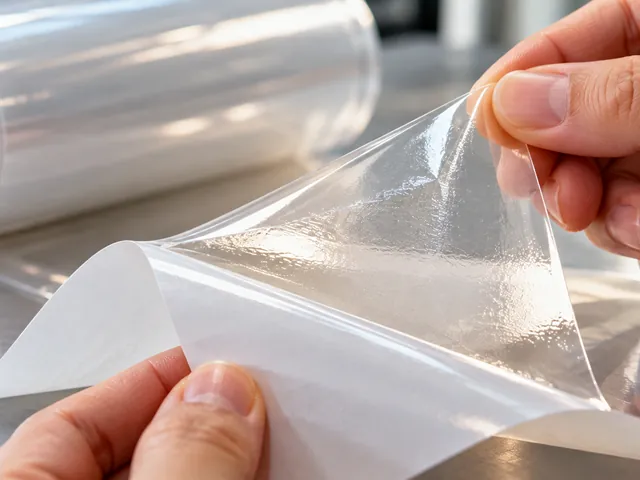
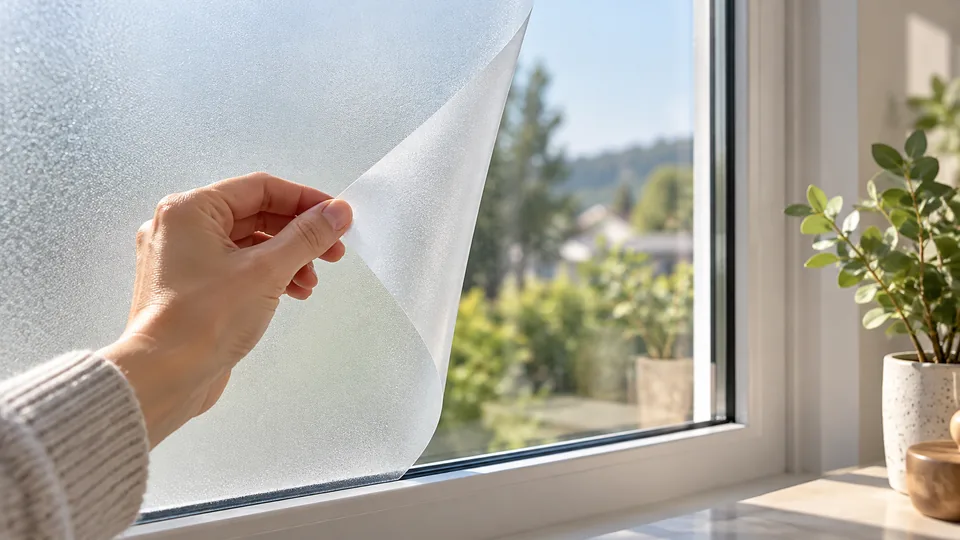
Static cling window film, also called window cling film or static window film, is a flexible PVC sheet, typically 0.15–0.2 mm (6–8 mil) thick, made soft with plasticizers. When you wet the glass and squeegee the film on, the smooth, slightly tacky vinyl forms a close seal with the glass and air pressure plus surface tension hold it in place. Despite the name, true static electricity plays only a small part.
A few related products use the same principle:
- Window clings: printed or die-cut decorative shapes, from seasonal Christmas holiday window clings to logos and safety notices.
- Gel clings: thick, jelly-like transparent clings, often for kids' rooms; custom gel window clings are popular for promotions.
- Electrostatic film for windows: thin PE or PET film that carries a genuine electrostatic charge; lighter and less visible than vinyl cling, mainly used for clear window cling film and printed displays.
- Clear static cling vinyl: transparent cling used as a carrier for prints or as temporary glass protection film.
Static cling vs adhesive window film: how do they compare?
| Factor | Static cling window film | Removable adhesive film | Permanent adhesive film |
|---|---|---|---|
| How it holds | Surface contact, no glue | Low-tack pressure-sensitive adhesive | High-tack PSA |
| Typical thickness | 0.15–0.2 mm | 0.08–0.16 mm | 0.05–0.2 mm |
| Reusable | Yes, many times if stored on its liner | Sometimes, once | No |
| Residue on removal | None | Little or none within its rated life | Likely; needs scraping |
| Edge lifting over time | More likely, especially in sun and heat | Low | Very low |
| Typical indoor life | Shorter; months to a few years | Several years | Many years |
| Solar heat and UV control | Limited | Moderate to good | Best |
| Works on textured glass | No, needs smooth glass | Poorly | Poorly to moderately |
| Best for | Rentals, seasonal decor, temporary privacy, kids' rooms | Offices, rentals with longer stays, decorative frosting | Solar control, safety and security film |
The short version: static cling wins on reusability and zero residue; adhesive wins on durability, appearance and performance. Neither works well on heavily textured or obscure glass, because both need full contact with a smooth surface.
When should you choose static cling window film?
- Renters: privacy window film static cling goes up on bathroom and street-facing windows and comes off on move-out day with no deposit risk.
- Seasonal decor: window clings xmas designs, large window Christmas clings and other holiday window clings are taken down and stored for next year.
- Temporary privacy and blackout: static cling blackout window film and black out window clings darken nurseries, shift workers' bedrooms and home cinemas without blinds.
- Testing a look: temporary window film lets you trial a frosted or patterned finish before committing to adhesive film.
- Bathrooms: a window cling for bathroom privacy copes well with humidity, because there is no adhesive to fail.
Static cling window tint for home and static cling window film heat control products exist, and window clings to block sun do reduce glare, but expect much less heat rejection than a metallized adhesive solar film.
When is adhesive window film the better choice?
Choose adhesive film when the film must stay flat for years, cover large panes or deliver measurable performance. Typical cases are office partitions, front doors and sidelights, shop windows, sun-facing glazing and any installation a client will inspect closely.
Removable-adhesive decorative films are the middle ground. Our removable frosted decorative privacy glass film, for example, is a PVC film in 120, 140 or 160 micron, up to 1.52 m wide and 50–100 m long, rated for 3–5 years indoors, with an easy-remove adhesive designed for offices and commercial spaces. Our office glass partition project shows how such film is laid out in full panels or bands.
For more on choosing privacy levels, see the frosted window film guide.
Do window clings go inside or outside the glass?
Window clings go inside in almost every case, and window clings inside the glass are what most products are designed for. Interior glass is protected from rain, dirt, wind and the direct UV that hardens plasticized vinyl, so the cling lasts longer and stays put. Designs meant to be read from outside are printed in reverse (second-surface printing) so they display correctly through the glass. Only use clings outside when the product is specifically rated for exterior use.
How do you choose good static cling window film?
Quality varies more than packaging suggests. When comparing window clings for home use, check these points:
- Thickness: window cling material around 0.15–0.2 mm handles and repositions well; thinner vinyl cling for windows creases easily and is harder to squeegee flat.
- Clarity: clear static cling window film should be optically clear with no orange-peel texture, or it will blur the view.
- Plasticizer quality: cheap cling stickers for windows can turn stiff, yellow or oily within a season, especially in sun.
- Liner: a sturdy backing sheet matters because you need it to store the film between uses.
- Opacity rating: for privacy or static cling window tint home use, look for a stated light-transmission or opacity figure rather than a vague description.
Glass clings for children's rooms should be phthalate-free and low-odor, and any product sold as a tint should say how much visible light it lets through. If a supplier cannot tell you thickness or transmission, assume the film is a budget grade.
How do you install static cling window film?
Window cling installation takes 10–20 minutes per standard pane. You need a spray bottle, water with one or two drops of baby shampoo or dish soap, a squeegee, a lint-free cloth and a sharp knife.
- Clean the glass thoroughly. Wash with soapy water, scrape off specks with a plastic razor, and wipe the frame. Any dust trapped under cling film becomes a visible bubble.
- Cut the film oversize. Measure the visible glass and cut the film 2–3 cm (about 1 in) larger on every side.
- Spray the glass generously. Wet the whole pane with the slip solution; static cling needs more water than adhesive film.
- Peel the backing and wet the film. Remove the liner and spray the cling side so it can slide freely. Keep the liner for storage.
- Position and squeegee. Place the film, slide it into position, then squeegee from the center outward to push out water and air.
- Trim the edges. Cut 1–2 mm (1/16 in) in from the frame with a sharp blade and a straightedge so the film does not touch the gasket, then squeegee the edges again.
- Let it dry. Leave it for 24–48 hours; a hazy look while drying is normal.
Adhesive film follows the same wet-application steps, but you get one chance to position it once the water dries. Our guide on how to install and remove window film covers both in more detail.
How do you remove and reuse window clings?
Lift a corner with a fingernail or plastic card and peel slowly. Wash the film in lukewarm soapy water, lay it flat on its original backing sheet or on wax paper, and store it flat or loosely rolled, cling side in, away from heat. This is what makes reusable window film practical: a well-kept cling can be reapplied many times. Removable glass decals and removable stickers for glass work the same way.
Adhesive film comes off by warming it with a hairdryer and peeling at a low angle; any residue cleans off with soapy water and a plastic scraper.
Custom and printable window clings for shops and resellers
Print shops and retailers use static cling material for promotions, opening hours, parking permits and seasonal displays. Printable window cling sheets and printable static cling window film are sold in letter, A4 and roll formats; check whether a product is made for inkjet, solvent, eco-solvent or UV printing before ordering. Custom static window clings are economical for short campaigns, while transparent window clings and clear window cling designs keep the view open.
For long-term branding, cut adhesive vinyl is more durable. Our custom window decal and logo sticker vinyl is a self-adhesive PVC cutting film in 0.61 m and 1.22 m widths with a grid release liner, suited to plotter-cut storefront graphics.
Window film terms explained
- Window cling vinyl / cling vinyl: the soft PVC sheet used for cling films and decals.
- Vinyl wrap film / wrap film: adhesive vinyl designed for vehicles and surfaces; not intended for glass.
- Precut wrap: film supplied cut to a specific window or vehicle shape.
- Temporary glass protection film: thin low-tack PE film that protects new glass during construction and transport, not a decorative film.
- Cling window shade / static cling window shade: a removable sun-shade panel, usually dark or perforated cling.
Next step
Our glass films are adhesive-backed, with removable grades for temporary and rental projects. Send us the glass size, finish (frosted, patterned or colored), thickness, roll width and quantity, and we will quote within 24 hours with free A4 samples; contact us here.
Frequently Asked Questions
What is the difference between static cling and adhesive window film?
Static cling window film holds to glass by surface contact with no glue, so it removes cleanly and can be reused. Adhesive window film uses a pressure-sensitive adhesive that bonds to the glass, so it lasts longer, lifts less at the edges and delivers better privacy, solar and UV performance, but it is usually not reusable.
How long does static cling window film last?
Static cling window film typically lasts from several months to a few years indoors. Life depends on sun exposure, heat and how often it is removed. Plasticized vinyl slowly stiffens under UV, so clings on sunny south-facing windows lift sooner. Adhesive films usually last several years longer in the same position.
Do window clings go on the inside or outside?
Window clings go on the inside of the glass in almost all cases. Indoors they are protected from rain, dirt, wind and direct UV, so they last longer and stay attached. Designs meant to be seen from outside are printed in reverse so they read correctly through the glass from the street.
Why won't my static cling window film stick?
Static cling film usually fails to stick because the glass is dirty, textured or too cold, or because the film was applied dry. Clean the glass thoroughly, spray it generously with soapy water, squeegee firmly from the center outward and allow 24–48 hours to dry. Static cling cannot hold on frosted or patterned glass.
Is static cling window film good for privacy?
Yes, frosted, etched-look and opaque static cling film gives good daytime privacy and is ideal for renters and bathrooms. Like most films, it can become more see-through at night when the room is lit. For permanent office or front-door privacy, a removable-adhesive frosted film stays flatter and looks more like etched glass.
Can you reuse static cling window film?
Yes. Peel the film off slowly, wash it in lukewarm soapy water and store it flat on its original backing sheet or wax paper, cling side protected and away from heat. A well-kept static cling can be reapplied many times, which makes it a good choice for seasonal and holiday window clings.
Does static cling window film block heat?
Static cling window film blocks some glare and a little heat, but much less than metallized adhesive solar control film. Tinted and blackout clings reduce light and brightness effectively. If cutting heat gain or UV through sun-facing glass is the main goal, an adhesive solar film rated for heat rejection is the better choice.