Key takeaways
- Contact paper is a PVC or PET film with a pressure-sensitive adhesive and a grid-printed paper release liner.
- Typical contact paper is 80–200 micron thick, while furniture-grade vinyl wrap can be up to about 0.5 mm.
- Removable contact paper uses low-tack adhesive that peels cleanly, while permanent grades bond harder for furniture and crafts.
- Warming contact paper with a hairdryer and peeling slowly at a low angle is the best way to remove it without residue.
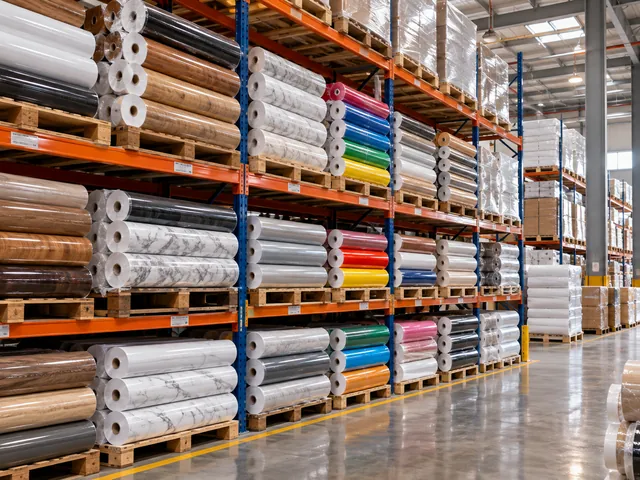
- Standard roll widths are 0.61 m (24 in) and 1.22 m (48 in), with trade rolls commonly 50 m long.
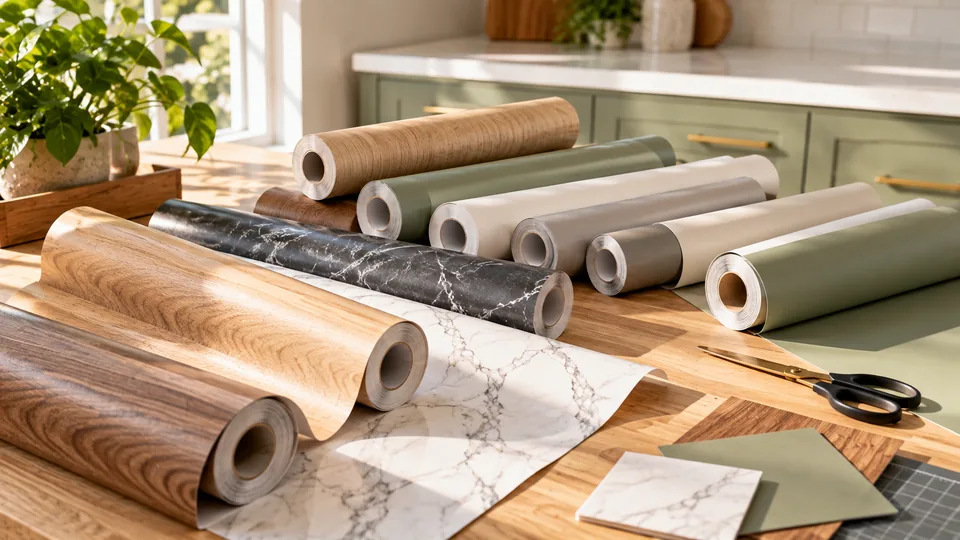
Contact paper is a thin, flexible plastic film, usually PVC vinyl, with a pressure-sensitive adhesive on the back and a paper release liner. You peel off the liner and press it onto shelves, drawers, furniture, walls or books. It comes in clear, solid colors and printed patterns such as wood grain and marble, in removable or permanent adhesive grades.
Despite the name, most modern contact paper contains no paper at all except the backing. It is also sold as self adhesive contact paper, peel and stick contact paper, sticky back plastic, adhesive paper and decorative film. This guide explains the types, what each one is good for, how to apply and remove it, and what to look for if you buy it in bulk for resale or projects.
What is contact paper made of?
Standard vinyl contact paper has three layers:
- Face film. PVC (polyvinyl chloride) film, typically 80–200 micron (about 3–8 mil) thick, printed or colored and often embossed for texture. Clear contact paper uses an unprinted transparent PVC or PET (polyester) film.
- Adhesive. A pressure-sensitive adhesive (PSA), usually acrylic, that bonds when pressed rather than when it dries. Removable grades have lower tack; permanent grades grip harder and age into a stronger bond.
- Release liner. A siliconized paper, often around 75 gsm (grams per square meter), printed with a measuring grid so you can cut straight lines.
Heavier decorative films used for furniture and cabinets, often called furniture film or vinyl wrap, use the same construction but with a thicker face, up to around 0.5 mm, for better scratch resistance.
What types of contact paper are there?
Contact paper is sold by finish, pattern and adhesive. This table summarizes the main types and their typical uses.
| Type | Typical thickness | Best for | Notes |
|---|---|---|---|
| Clear contact paper | 60–100 micron | Covering books, protecting documents, crafts, shelf protection | Gloss or matte; choose low-tack for crafts |
| Solid color (black, white, grey, blue) | 80–150 micron | Furniture, walls, drawer fronts, crafts | Matte and gloss finishes |
| Wood look contact paper | 100–200 micron | Desks, dressers, doors, cabinets | Embossed grain looks more realistic |
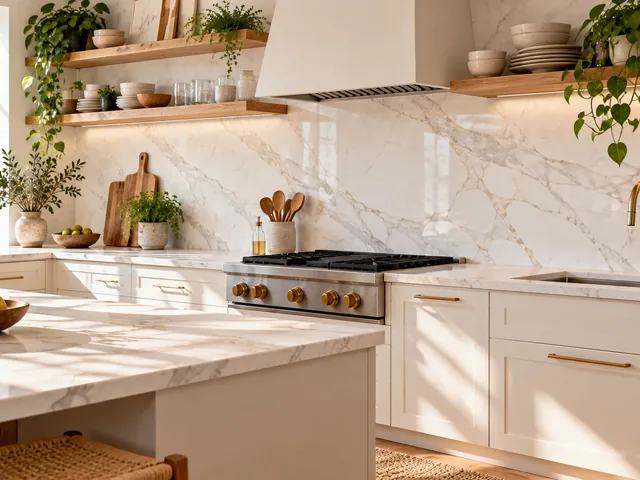
| Marble and granite | 100–200 micron | Countertops, tables, backsplashes | Glossy face is easiest to clean |
| Floral, retro and vintage contact paper | 80–150 micron | Drawer liners, shelves, accent walls | Usually removable adhesive |
| Specialty: antique mirror, mercury glass, metallic | 80–150 micron | Accent pieces, frames, trays | Decorative, not for heavy wear |
| Dry erase (whiteboard) sheet | 80–150 micron | Walls, desks, kids' rooms, offices | Coated surface wipes clean |
| Blackout contact paper | 80–150 micron | Windows, darkrooms, basement glass | Opaque black; blocks light fully |
Widths are commonly 45 cm (about 18 in) for retail rolls and 24 inch wide contact paper (0.61 m), with trade rolls at 1.22 m (48 in). Our wood grain contact paper, for example, ships in 0.61 m × 3 m rolls in multiple colors.
Removable contact paper vs permanent
Removable contact paper uses a low-tack adhesive that can be repositioned during installation and peels off cleanly for months or a few years, depending on surface and heat. It is the right choice for rentals, shelves and anything you may change. Permanent or heavy duty contact paper bonds harder and suits furniture, crafts that must not lift, and outdoor contact paper on signs or boxes.
What is contact paper used for?
The most common uses fall into five groups:
- Shelves and drawers. Shelving contact paper, also called shelving paper, and drawer contact paper protect wood and laminate from spills and scratches. Our shelf liner and drawer liner guide compares adhesive and non-adhesive options.
- Furniture. Contact paper for furniture can refresh a desk, dresser, side table or table top. Wood grain and solid white or black are the most popular.
- Walls and doors. Contact paper for walls works as a removable accent wall, and contact paper for doors changes interior door color without paint.
- Kitchens and bathrooms. Cabinets, backsplashes and counters, using heat resistant contact paper near cooking areas and waterproof contact paper for bathroom vanities.
- Crafts and school. Book contact paper protects covers, clear contact paper for crafts makes sun catchers and laminated cards, and contact paper art uses colored sheets for collage.
Contact paper for desks, dressers and tables
Furniture gets more wear than walls, so pick a thicker film with an embossed or textured face. Contact paper for desk tops and contact paper for tables should be wipeable and at least 100 micron thick. A contact paper dresser makeover works best on smooth, flat drawer fronts; deeply carved or rounded edges need more stretch and heat. For high-use furniture, our home and furniture decorative films are 0.5 mm thick, supplied in 1.22 m × 50 m rolls, with a 3-year warranty.
Popular contact paper colors and patterns
Decorative contact paper sells mainly on color and pattern. The steady best sellers are:
- White contact paper: matte or gloss white to brighten old shelves, laminate furniture and dated cabinets.
- Black contact paper: matte black for modern furniture, appliance panels and accent doors; gloss black for a lacquered look.
- Grey contact paper and blue contact paper for kids' rooms, offices and Scandinavian-style furniture.
- Black and white contact paper in checks, stripes and terrazzo patterns for drawer fronts and shelves.
- Floral contact paper and retro prints for drawer liners, trays and vintage furniture.
- Colored contact paper in bright solid shades for school projects and contact paper crafts.
Matte finishes hide fingerprints and minor surface flaws; gloss finishes reflect light and are easier to wipe in kitchens.
Dry erase contact paper and whiteboard sheets
A whiteboard sheet is contact paper with a hard, coated white face that accepts dry erase markers. Dry erase paper and dry erase board sheets turn a wall, desk, door or fridge into a writing surface for kitchens, home offices, classrooms and kids' rooms. This dry erase material works best on a very smooth surface, because bumps show through and catch the marker. Clean it with a dry erase cleaner or a damp microfiber cloth, and avoid permanent markers, which stain the coating.
How to use contact paper step by step
This method works on shelves, furniture, doors and walls.
- Clean the surface. Wash with mild detergent, wipe with rubbing alcohol and let it dry. Dust and grease are the main reasons contact paper lifts.
- Measure and cut. Use the grid on the liner. Cut pieces 2–3 cm (about 1 in) larger than the surface so you can trim after application.
- Peel a small section. Peel back 5–10 cm (2–4 in) of liner, align the edge and press it down.
- Smooth as you go. Pull the liner away slowly with one hand while smoothing the film with a squeegee or plastic card with the other, working from the center to the edges.
- Remove bubbles. Push small bubbles to the edge. Prick stubborn ones with a pin and press flat.
- Wrap edges and trim. Warm the film with a hairdryer to wrap around edges, then trim the excess with a sharp blade.
Applying at room temperature, around 18–25 °C (65–77 °F), gives the adhesive the best start.
How to remove contact paper
To remove contact paper, warm it with a hairdryer for 30–60 seconds, lift a corner and peel slowly at a low angle, close to 180°. Keep heating as you go. Fast peeling or peeling cold film tends to tear the film and leave glue behind.
When taking off contact paper from wood, test carefully: on painted or lacquered wood, heat and slow peeling usually work, while old permanent film on raw wood can pull up fibers. If glue remains, use a little cooking oil or rubbing alcohol on sealed surfaces only, then clean with soap and water. See our full guide on removing sticker residue and adhesive for surface-by-surface methods.
Contact paper vs wallpaper, vinyl wrap and shelf liner
Several products overlap with contact paper. The differences matter when choosing for a project:
- Peel-and-stick wallpaper is similar but sold in wider, longer rolls with pattern repeats designed to match across seams on a wall.
- Vinyl wrap or furniture film is thicker (often 0.3–0.5 mm) and more durable, with air-release adhesive channels that make bubble-free installs easier. Our comparison of contact paper vs vinyl wrap for kitchen cabinets covers lifespan.
- Shelf liner may be adhesive or non-adhesive; non-adhesive grip liners are foam or rubber mesh.
- Lining paper is not contact paper: plain lining paper is a smooth, unglued paper hung under wallpaper or paint to hide cracks.
- Self adhesive paper sold for printers, such as printable adhesive paper or sticker adhesive paper, has a paper face for inkjet or laser printing and is used for labels.
- Double sided sticky paper has adhesive on both faces and is used for mounting and crafts.
Where to buy contact paper
If you are asking where to buy contact paper for a home project, hardware stores, big-box stores, craft shops and online marketplaces carry retail rolls. Expect to pay more per square meter for small rolls than for trade rolls.
Retailers, e-commerce sellers, decorators and contractors usually buy direct from a manufacturer to get lower unit costs, consistent color batches and custom contact paper designs. When sourcing:
- Specify thickness in microns, adhesive type (removable or permanent) and liner weight.
- Confirm roll width and length: 0.61 m (24 in) and 1.22 m (48 in) widths are standard.
- Ask for samples and test reports. We provide free A4 samples, CE and SGS test reports, and work under ISO 9001 and ISO 14001.
- Check MOQ and lead times: from one roll for stock items with 7–10 days lead time, and 100 rolls for custom prints with 15–25 days.
Our guide to buying wholesale vinyl rolls and bulk contact paper explains the ordering process in detail.
Next step
Send us the patterns, thickness, width and quantity you need, and whether you want removable or permanent adhesive. Contact us for free A4 samples and a quotation within 24 hours.
Frequently Asked Questions
What is contact paper used for?
Contact paper is used to cover and protect shelves and drawers, refresh furniture, cabinets and doors, create removable accent walls, cover books and make crafts. Clear contact paper protects documents and book covers, while wood grain, marble and solid colors are used to change the look of furniture and surfaces without paint.
Is contact paper removable?
Removable contact paper is designed to peel off cleanly, usually for months to a few years depending on heat and surface. Permanent contact paper bonds harder and may leave residue. To remove either, warm it with a hairdryer and peel slowly at a low angle, then clean any remaining glue with mild soap.
What is the difference between contact paper and vinyl wrap?
Contact paper is usually thinner, about 80–200 micron, and designed for light-duty surfaces such as shelves and crafts. Vinyl wrap or furniture film is thicker, often 0.3–0.5 mm, with air-release adhesive channels for bubble-free installs, better scratch resistance and longer life on cabinets, doors and furniture.
Can you use contact paper on walls?
Yes. Contact paper for walls works well as a removable accent wall, especially in rentals. Apply it to clean, primed and painted walls with a gloss or semi-gloss finish. Use removable adhesive so it can come off without damaging paint, and warm it while peeling when you take it down.
Is contact paper waterproof?
Vinyl contact paper has a waterproof PVC face, so spills and splashes wipe off. Water can still get under seams and edges and weaken the adhesive, so it is water resistant rather than waterproof as an installed surface. Seal edges near sinks with clear silicone and avoid areas with standing water.
How do you remove contact paper from wood?
Warm the contact paper with a hairdryer for 30 to 60 seconds, lift a corner and peel slowly at a low angle while heating. On sealed or painted wood, remove leftover glue with a little cooking oil or rubbing alcohol, then wash. On raw wood, avoid oil and use heat and a plastic scraper.
Where can I buy contact paper in bulk?
Retailers, e-commerce sellers and contractors usually buy contact paper in bulk directly from a manufacturer. Factory trade rolls are typically 0.61 m or 1.22 m wide and 50 m long, with lower cost per square meter, consistent color batches and custom designs. Ask for free samples, test reports, MOQ and lead times before ordering.