Key takeaways
- Adhesive shelf liner uses a pressure-sensitive backing and lies flat like contact paper, while non adhesive shelf liner stays in place by friction.
- Non adhesive shelf liner is the safer choice for rentals, under-sink cabinets and shelves that need regular cleaning.
- PVC adhesive shelf liner is typically 80–200 micron thick, waterproof and wipe-clean.
- Paper drawer liners suit clothing drawers but are not waterproof and should be kept out of kitchens and bathrooms.
- Warming adhesive shelf liner with a hairdryer before peeling it at a low angle reduces the risk of residue or finish damage.
Shelf liner is a protective sheet for shelves and drawers that stops scratches, spills and sliding. Adhesive shelf liner sticks down permanently or semi-permanently, like contact paper, and suits cabinets that rarely change. Non adhesive shelf liner lies loose, usually as grippy foam or rubber mesh, and lifts out for cleaning. Choose by moisture, traffic and whether you rent.
This guide explains every common type, from paper drawer liners to silicone mats, compares adhesive and non-adhesive options in one table, and shows how to measure, cut, install and remove shelf liner without leaving residue.
What is shelf liner and shelf paper?
Shelf liner, shelf paper and drawer liner paper all describe the same job: a thin layer between the shelf and whatever sits on it. The name changes with the material. Shelf paper traditionally means decorative paper or adhesive contact paper; drawer liner often means scented or patterned lining paper for clothing drawers; and shelf liner has come to mean the cushioned, non-slip foam mats sold for kitchen cabinets.
A good liner does three things: it protects the shelf finish from scratches and stains, it stops glasses, bottles and tools from sliding, and it makes cleaning easier because you wipe or replace the liner rather than scrub the cabinet.
Adhesive vs non adhesive shelf liner: what is the difference?
The key difference is how the liner stays in place. Adhesive shelf liner uses a pressure-sensitive adhesive (PSA) on the back, protected by a release liner until you peel it. Non adhesive shelf liner relies on friction and its own weight, so it can be lifted, washed and repositioned at any time.
| Type | How it stays put | Waterproof | Removes cleanly | Best for |
|---|---|---|---|---|
| Self adhesive shelf liner (PVC contact paper) | PSA backing | Yes, wipe-clean surface | Removable grades yes; permanent grades may leave residue | Cabinet shelves, bookshelves, drawer bottoms, furniture refresh |
| Non-adhesive grip liner (PVC or EVA foam mesh) | Friction | Water passes through mesh | Yes | Glassware, dishes, tool chests, rentals |
| Non-adhesive smooth-top liner | Grippy underside, solid top | Yes, solid top | Yes | Pantry, under-sink, spice drawers |
| Paper drawer liners | Lies loose or light tack | No | Yes | Dresser drawers, linen closets, gift drawers |
| Silicone drawer liner / rubber shelf mat | Friction and weight | Yes | Yes | Cutlery and utensil drawers, under-sink, fridge |
| Cork or felt | Loose or light adhesive | No | Usually | Display shelves, jewelry and desk drawers |
When should you use non adhesive shelf liner?
Shelf liners non adhesive are the safe default for kitchens with frequent spills, rented homes and any shelf you might want to clean underneath. Because nothing bonds to the cabinet, there is no risk of lifting paint or veneer on removal.
- Glassware and dish cabinets: a cushioned grip liner reduces chipping and stops stacks from sliding when doors open.
- Under the sink: a solid-top, rubberized shelf liner or silicone mat contains small leaks; drawer liners waterproof on top with a raised edge are better still.
- Tool chests and garage drawers: thick foam or rubber drawer lining stops tools rattling and protects the metal.
- Wire shelving: a stiff non-adhesive liner or solid PVC sheet stops small items tipping through the gaps.
- Rentals: contact non adhesive shelf liner comes out in seconds when you move.
Decorative shelf liner non adhesive options now come in printed patterns as well as plain white, grey and clear, so you no longer have to choose between grip and appearance.
When is adhesive shelf liner the better choice?
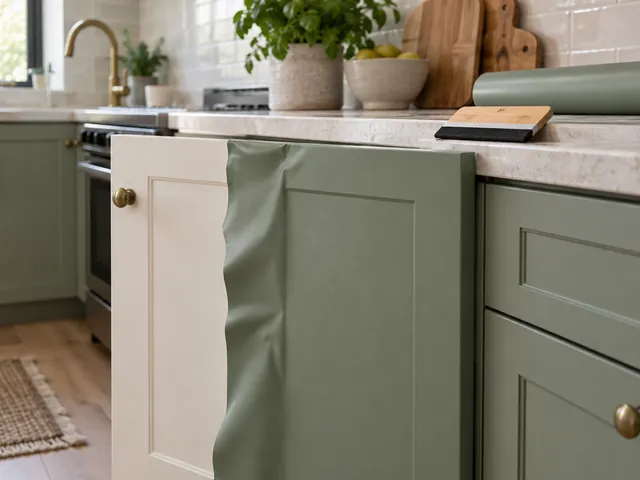
Adhesive shelf liner is better when you want the liner to look like part of the cabinet. Self adhesive shelf paper lies perfectly flat, does not bunch up when you slide items in and out, and gives old shelves a new color or pattern.
- Kitchen cabinet shelves: contact paper shelf liner in white or a light wood grain brightens dark cabinets and is easy to wipe.
- Drawer bottoms: contact paper for drawers or peel and stick drawer liner covers stains in old drawers permanently.
- Bookshelves: contact paper bookshelf backs and shelf tops in marble or wood grain refresh flat-pack furniture.
- Open shelving: vinyl for shelves with a patterned surface turns a plain shelf into a feature.
For homes you own, permanent adhesive is fine. For rentals and antique furniture, choose a removable adhesive: it holds firmly but is designed to peel off without residue for a period of years. Avoid adhesive liners on unsealed wood, freshly painted shelves (allow 2–4 weeks to cure) and delicate veneers.
Paper vs vinyl drawer liner: which should you pick?
Drawer paper and drawer lining paper are the traditional choice for bedrooms: lining paper for shelves and drawers is thin, breathable and often scented, and non adhesive drawer liner paper simply lies in the drawer and is replaced when it gets tired. Paper shelf paper and shelving liner paper are cheap and pretty but tear and stain easily.
A vinyl drawer liner lasts far longer. A contact paper drawer liner or other adhesive drawer liner bonds to the drawer base, so it never creases or slides, and wipes clean in seconds. Peel and stick drawer liners and peel and stick shelf liner are the same PVC film cut to drawer or shelf size. As a rule, use paper where clothes and linens live, and adhesive liners for shelves and drawers in kitchens, bathrooms and kids' rooms.
Which shelf liner materials last longest?
Material determines durability far more than price. The main options:
- PVC (vinyl): the standard for adhesive shelf liner and contact paper. Typically 80–200 micron (3–8 mil) thick, waterproof and wipe-clean. Thicker film hides shelf texture and resists tearing.
- PVC or EVA foam: the open-mesh, cushioned material used for most non-slip liners. Soft and grippy, but traps crumbs.
- Silicone: heat-tolerant, very easy to wash, heavier and pricier; popular as a silicone drawer liner for utensils.
- Rubber: dense and durable; a rubber shelf mat suits tool drawers and garages but can smell at first.
- Paper: shelf liner paper and liner paper for drawers, often scented or printed. Measured in gsm (grams per square meter); 80–120 gsm is typical. Cheap and pretty, but not waterproof.
Our self-adhesive brick shelf and drawer liner is a typical PVC construction: 100–200 micron embossed film on a 75 gsm liner paper, removable, mildew-proof and easy to clean, supplied in 1.22 m × 50 m rolls.
How do you measure and install shelf liner?
Allow about 30 minutes for a standard kitchen cabinet. The steps below cover adhesive liner; for non-adhesive liner, follow steps 1–4 and simply lay it in place.
- Empty and clean the shelf. Wash with mild detergent, rinse and let it dry fully. Grease and dust are the main reasons adhesive shelf liner lifts.
- Measure depth and width. Measure at the front and back; cabinets are rarely square. Note notches for hinges and shelf supports.
- Cut slightly oversize. Use the printed grid on the release liner and a sharp utility knife or scissors. Cut 5 mm (about 1/4 in) larger than needed for trimming.
- Test the fit. Place the piece on the shelf with the liner still on, and trim corners and notches.
- Peel and stick from the back. Peel 5–10 cm (2–4 in) of the release liner, align the back edge against the cabinet wall, then pull the liner out from underneath while smoothing forward with a squeegee or soft cloth.
- Remove bubbles and trim. Push air to the nearest edge. Prick any stubborn bubble with a pin and press flat, then trim the front edge flush with a blade.
Wider shelves may need two pieces: overlap the seam by 5 mm or butt it tightly along the shelf depth, never across it, so items do not catch on the edge.
How do you remove adhesive shelf liner without damage?
Warm the liner with a hairdryer for 20–30 seconds to soften the adhesive, lift a corner with a plastic scraper and peel slowly at a low angle, close to the surface. Re-warm as you go. If adhesive residue remains, follow our guide on how to remove sticker residue; a little cooking oil or a citrus-based remover usually lifts it from sealed wood and laminate.
Which shelf liner is best for each room?
- Kitchen cabinets and pantry: smooth-top non-adhesive or adhesive PVC contact shelf liner; wipe-clean matters most.
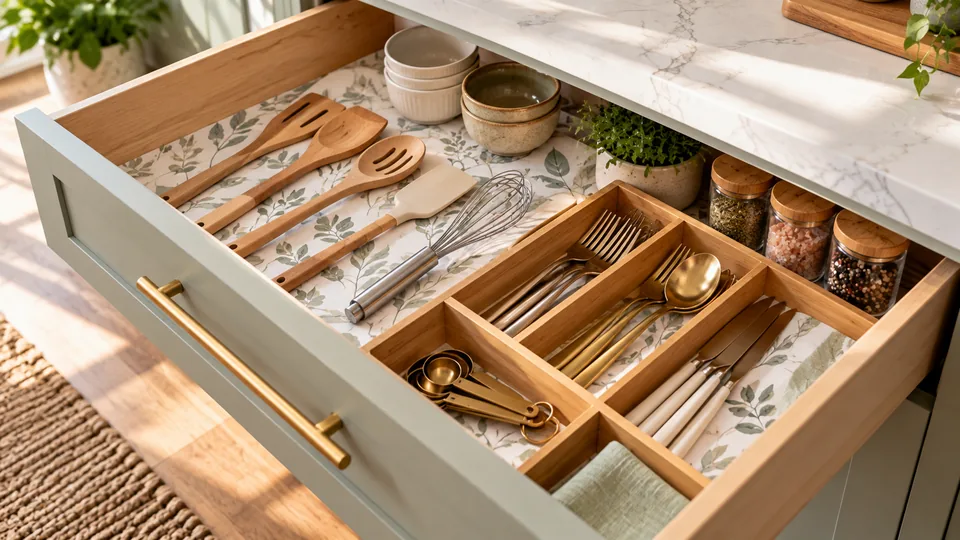
- Cutlery drawers: silicone or thick non-adhesive grip liner.
- Bedroom dressers: paper drawer liners, liner paper for drawers or a light-tack decorative shelf liner.
- Bathroom vanities: waterproof PVC or silicone; avoid paper.
- Refrigerator shelves: washable non-adhesive PVC or silicone mats.
- Desk and office drawers: cork, felt or a table mat for drawers to stop pens and devices sliding.
For more on choosing adhesive films and patterns, see our contact paper guide.
Sourcing shelf liner and drawer liner in bulk
For housewares retailers and online sellers, adhesive shelf liners sell on pattern and ease of use: a grid-lined release paper, a removable adhesive and clear packaging that states roll size. Popular ranges include white, marble, wood grain, brick and solid colors in short retail rolls, cut down from wide trade rolls.
As a manufacturer of self-adhesive decorative films, we supply PVC liner film in 1.22 m × 50 m master rolls and custom widths and lengths for repacking. Stock items ship from 1 roll in 7–10 days; customized prints, liner papers and packaging start at 100 rolls with 15–25 days production. See our notes on buying wholesale vinyl rolls and bulk contact paper.
Next step
Send us the pattern, film thickness, roll size, adhesive type (permanent or removable) and quantity you need, and we will quote within 24 hours. Free A4 samples are available so you can test adhesion and removal on your own shelves; request samples here.
Frequently Asked Questions
What is the difference between adhesive and non adhesive shelf liner?
Adhesive shelf liner has a sticky pressure-sensitive backing that bonds to the shelf, so it lies flat and looks built-in but must be peeled off to clean underneath. Non adhesive shelf liner stays in place by friction and weight, so it lifts out for washing and leaves no residue, which suits rentals and spill-prone cabinets.
Is non adhesive shelf liner better for kitchen cabinets?
For most kitchen cabinets, yes. Non adhesive shelf liner cushions glasses and dishes, stops them sliding and can be removed and washed after spills. Choose a solid-top version under sinks and in pantries so liquids do not pass through. Adhesive liner is better when you want a smooth, decorative, built-in look.
Does adhesive shelf liner damage cabinets?
Removable-grade adhesive shelf liner usually peels cleanly from sealed wood, laminate and painted surfaces that have fully cured. Damage is more likely on fresh paint, unsealed wood, old veneers or liner left for many years in warm cupboards. Warm the liner with a hairdryer and peel slowly at a low angle to reduce risk.
What is the best shelf liner for wire shelves?
The best shelf liner for wire shelves is a stiff, solid non-adhesive sheet, such as thick PVC or a rigid plastic shelf panel, cut to size. It creates a flat surface so small jars and bottles cannot tip through the gaps. Thin foam mesh liners sag between wires and are less effective.
Can you use contact paper as shelf liner?
Yes. Contact paper is a self-adhesive PVC film and is one of the most common shelf liners. It is waterproof, wipe-clean and available in many patterns. Use a removable adhesive grade for rentals or furniture you may refinish, and clean and dry the shelf thoroughly before applying it.
Are paper drawer liners worth it?
Paper drawer liners are worth it for clothing drawers, linen closets and wardrobes, where they protect garments from rough wood, add a light scent and look attractive. They are not waterproof, so avoid them in kitchens and bathrooms, and replace them every year or two as they wear and fade.
How do you keep shelf liner from sliding?
Choose a non-slip liner with a grippy underside, cut it to fit the shelf exactly so it cannot shift, and make sure the shelf is clean and dry. On very smooth shelves, a few small pieces of double-sided removable tape at the corners hold a non adhesive liner in place without permanent bonding.