Key takeaways
- Adhesive vinyl is a three-layer laminate of PVC face film, pressure-sensitive adhesive and a silicone-coated release liner.
- Permanent and removable vinyl can share the same face film; the adhesive alone decides whether the decal peels off cleanly.
- Cast vinyl is thinner and more stable than calendered vinyl and typically lasts 7–10 years or more outdoors on curved surfaces.
- One mil equals 0.001 inch or 25.4 micron, and clear vinyl sheeting gauge usually means thousandths of an inch.
- Permanent adhesive vinyl needs 24–72 hours to reach full bond before it is washed or exposed to water.
Adhesive vinyl is a thin PVC film with a pressure-sensitive adhesive on the back and a paper or film release liner. Permanent grades bond for years and suit outdoor signs, cars and mugs; removable grades peel off walls and windows cleanly. Clear, outdoor, printable and wrap grades differ in film, thickness and adhesive.
This guide explains the different types of vinyl, permanent vs removable adhesive, cast vs calendered film, clear vinyl and vinyl sheeting, a thickness chart in micron, mil and gauge, and how to use adhesive vinyl step by step.
What is adhesive vinyl?
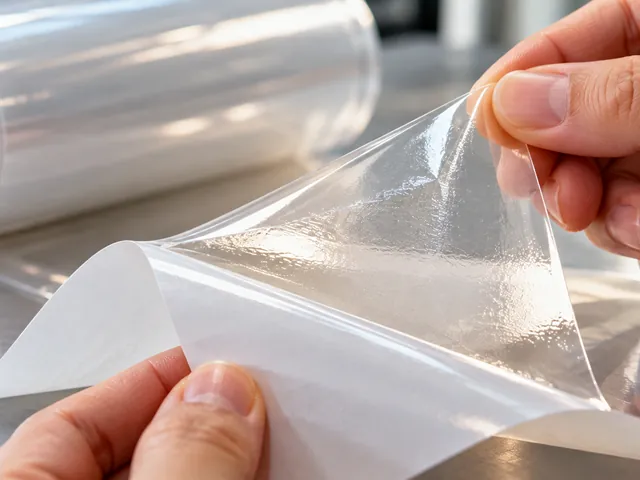
Self adhesive vinyl is a three-layer laminate:
- Face film: usually polyvinyl chloride (PVC), typically 50–100 micron (2–4 mil) for craft and sign vinyl and up to 200 micron for decorative film. Plasticizers make it flexible.
- Adhesive: a pressure-sensitive adhesive (PSA), usually solvent-based or water-based acrylic, that bonds when pressed without heat or water.
- Release liner: silicone-coated paper, often 120–140 gsm, sometimes with a printed grid for cutting, that protects the adhesive until use.
Adhesive backed vinyl is cut on a plotter or cutting machine, weeded to remove waste, then moved to the surface with transfer tape. It is different from heat transfer vinyl (HTV), which has a heat-activated adhesive for fabric. For the chemistry behind the adhesive, see pressure-sensitive adhesive explained.
What are the different types of vinyl?
| Type | Typical film | Adhesive | Typical life | Best for |
|---|---|---|---|---|
| Permanent adhesive vinyl | Calendered PVC, 70–100 micron | Permanent acrylic | 3–6 years outdoors | Signs, car decals, mugs, outdoor labels |
| Removable adhesive vinyl | Calendered PVC, 70–100 micron | Removable acrylic | 1–3 years indoors | Wall decals, stencils, temporary vinyl, window promos |
| Clear adhesive vinyl | Transparent PVC | Clear permanent or removable | Varies | Glass vinyl, see-through labels, protection |
| Cast vinyl | Cast PVC, 50–80 micron | Permanent, often repositionable | 7–10+ years outdoors | Vehicle wraps, curved surfaces |
| Printable adhesive vinyl | White or clear PVC with ink-receptive top coat | Permanent or removable | Depends on laminate | Stickers, labels, vinyl posters |
| Color change wrap vinyl | Cast PVC with air-release adhesive | Repositionable permanent | Several years | Car color change, appliances |
| Decorative furniture film | PVC 100–500 micron, wood grain, marble, solid | Permanent or removable | Several years indoors | Vinyl wrap for cabinets, furniture, doors |
| Double sided adhesive sheets | PET or tissue carrier, adhesive both sides | Permanent | Long-term | Mounting, crafts, bonding paper to card |
Printable adhesive vinyl and vinyl posters
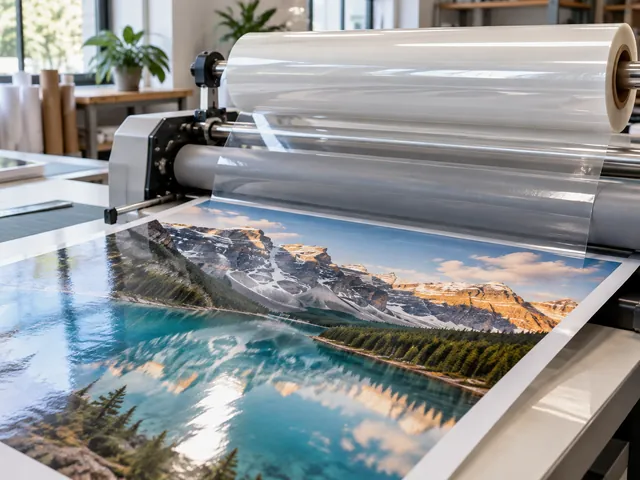
To print on vinyl, you need a film with an ink-receptive coating matched to your printer: solvent, eco-solvent, UV or latex for wide-format machines, or inkjet-coated sheets for desktop printers. Vinyl poster printing often uses a non-adhesive banner vinyl, while adhesive vinyl posters stick directly to walls and windows. Print cutting, where a printed sheet is contour-cut around registration marks, is how most stickers and labels are made. Add a clear laminate for UV and scratch resistance outdoors.
Adhesive vinyl sheets, vinyl paper and other names
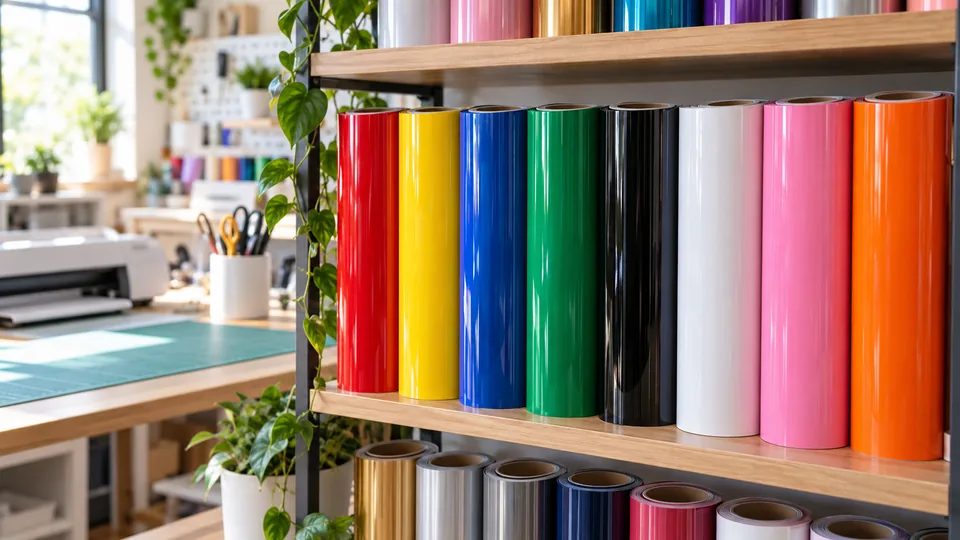
Self adhesive vinyl sheets, usually 12 × 12 in (30 × 30 cm), are convenient for crafters who want many colors in small amounts, such as vinyl numbers, names and small vinyl designs. Rolls are cheaper per square meter and better for long lettering or wall graphics. "Vinyl paper", "sticky vinyl paper" and contact paper usually refer to decorative adhesive PVC on a paper liner, used as shelf paper for cabinets and drawer linings.
Do not confuse any of these with vinyl tile sheets or sheet vinyl that looks like wood. Those are flooring products, typically 2–5 mm thick with a wear layer, made to be walked on rather than cut on a plotter. Bathroom vinyl and hardwood vinyl searches usually mean flooring, too.
Permanent vs removable adhesive vinyl
The face film can be identical; the difference is the adhesive. Permanent adhesive builds bond strength over 24–72 hours and resists water, heat and washing, but it may pull paint or leave residue if removed. Removable adhesive keeps a lower, stable bond so it can be peeled off cleanly, typically for one to three years.
- Choose permanent for outdoor vinyl, cars, mailboxes, tumblers and anything that will be washed.
- Choose removable for walls, interior glass, stencils, seasonal decorations and rental properties.
- Waterproof vinyl: PVC itself is waterproof. Whether the decal survives water depends on the adhesive and on letting it cure for 72 hours before washing.
Our glossy and matte cutting vinyl comes in both permanent and removable adhesive in 0.61 m and 1.22 m widths.
Cast vs calendered vinyl: which is best for outdoor use?
Calendered vinyl is made by squeezing heated PVC through rollers into a sheet. It is economical and stable on flat surfaces, but the film "remembers" being stretched and shrinks slightly over time. Cast vinyl is made by pouring liquid PVC onto a casting sheet and baking it, giving a thinner, dimensionally stable film with no stress built in.
| Property | Calendered vinyl | Cast vinyl |
|---|---|---|
| Typical thickness | 70–100 micron (3–4 mil) | 50–80 micron (2–3 mil) |
| Conformability | Flat and simple curves | Rivets, corrugations, compound curves |
| Shrinkage | Some over time | Minimal |
| Typical outdoor life | 3–6 years | 7–10+ years |
| Relative cost | Lower | Higher |
For permanent outdoor vinyl, also sold as outdoor adhesive vinyl, on flat signs and windows, a good calendered film is usually enough. For vehicle wraps and long-life outdoor weatherproof vinyl on curved surfaces, choose cast.
Clear vinyl: adhesive films vs clear vinyl sheeting
"Clear vinyl" covers two very different products. Clear adhesive vinyl and transparent self adhesive vinyl are thin films with a clear adhesive, used for glass decals, see-through labels and protecting surfaces. Clear vinyl sheeting, also called clear vinyl fabric or clear polyvinyl sheet, has no adhesive. It is thick, flexible PVC sold on a clear vinyl roll or by the yard for patio enclosures, boat windows, table protectors, bags and sneeze guards.
Clear marine vinyl is a UV-stabilized, optically clear grade for boat curtains. Heavy duty clear vinyl and thick clear vinyl roll products are usually 20–40 gauge. If you need a see-through vinyl that sticks, buy clear adhesive vinyl; if you need a clear piece of plastic that hangs or is sewn, buy sheeting.
Vinyl thickness chart: micron, mil and gauge
Thickness is quoted three ways. One mil is 0.001 inch, or 25.4 micron. For clear vinyl sheeting, gauge usually means thousandths of an inch, so 20 gauge is 0.020 in. Be careful: in the polyethylene film trade, 100 gauge equals only 1 mil, so always confirm the unit.
| Micron | Mil | Typical product |
|---|---|---|
| 50–80 | 2–3 | Cast vinyl, wrap film |
| 80–100 | 3–4 | Craft and sign cutting vinyl |
| 100–200 | 4–8 | Decorative window film, contact paper, thick vinyl sheets |
| 500 | 20 (20 gauge sheeting) | Furniture film, light clear vinyl sheeting |
| 760 | 30 (30 gauge clear vinyl) | Patio enclosures, table covers |
| 1,000 | 40 (40 gauge) | Heavy duty clear vinyl, marine windows |
Thin vinyl sheets cut and weed easily; thick vinyl sheets hide surface flaws and resist scratches but need more cutting force.
What is vinyl wrap? Vinyl wrap for cabinets and furniture
Vinyl wrap is any adhesive vinyl film used to cover a whole surface rather than cut into a design. Car wraps use cast vinyl with air-release channels in the adhesive, so trapped air escapes. Interior vinyl wrap material for cabinets, doors and furniture is usually decorative PVC furniture film with wood grain, marble, metallic or solid finishes, from matte grey vinyl to vinyl wrap black and candy red vinyl wrap colors.
Self adhesive vinyl wrap for furniture works best on smooth, sealed surfaces: laminate, painted wood, MDF and metal. Our furniture decorative films are 0.5 mm PVC in 1.22 m × 50 m rolls with a 3-year warranty. For technique, read how to wrap furniture with vinyl film.
How to use adhesive vinyl, step by step
- Create the design. Make vector artwork in your cutting software. Do not mirror it; adhesive vinyl is cut face up.
- Cut the vinyl. Load the vinyl with the liner down on a plotter or cutting machine. Set blade depth and force so it cuts the film and adhesive but only scores the liner. Run a small test cut first.
- Weed. Peel away the waste vinyl around and inside the design with a weeding hook.
- Apply transfer tape. Lay transfer tape over the design, burnish it with a scraper, then peel the liner back at a sharp angle so the vinyl stays on the tape.
- Prepare the surface. Clean with isopropyl alcohol and let it dry. Avoid applying below about 10 °C (50 °F).
- Apply and burnish. Position the design, burnish from the center outward, then peel the transfer tape back flat against itself.
- Let it cure. Allow 24–72 hours before washing or exposing permanent vinyl to water.
Choosing the right tape for vinyl matters: low-tack tape for glitter and removable vinyl, medium tack for standard films. See our vinyl transfer tape guide.
Buying vinyl rolls: sizes and what to specify
Vinyl supplies are sold as sheets (often 12 × 12 in), short craft rolls and large vinyl rolls for sign shops. A 24 inch vinyl roll is the standard 0.61 m width; 1.22 m (48 in) rolls suit wide-format cutters and wall graphics. When buying big rolls of vinyl, specify:
- Film type (calendered or cast) and thickness in micron
- Adhesive: permanent, removable or clear
- Finish: glossy, matte, satin, metallic
- Liner: plain or grid, paper weight
- Width and length, plus core size
We manufacture plotter cutting vinyl in 80–200 micron, 0.61 m and 1.22 m widths, glossy and matte, permanent and removable, with grid release liners. The sign shop supply case study shows a typical stocking range. Stock colors ship from 1 roll in 7–10 days; custom colors and private-label rolls start at 100 rolls.
Next step
Tell us the vinyl type, adhesive, finish, colors, width and number of rolls you need, and how the vinyl will be used. We will send free A4 samples and quote within 24 hours. Request samples or a quotation.
Frequently Asked Questions
What is the difference between permanent and removable adhesive vinyl?
Permanent adhesive vinyl builds a strong bond over 24 to 72 hours and resists water, heat and washing, so it suits outdoor signs, cars and mugs. Removable adhesive vinyl keeps a lower, stable bond so it peels off cleanly, typically for one to three years, which makes it the better choice for walls, interior windows and stencils.
Is adhesive vinyl waterproof?
The PVC film in adhesive vinyl is waterproof, and permanent adhesive vinyl is water resistant once fully cured. Let it bond for 72 hours before washing or exposing it to rain. Removable vinyl tolerates splashes but is not designed for repeated washing. For dishwasher use or long outdoor life, add a clear laminate or choose an outdoor-rated permanent grade.
What vinyl is best for outdoor use?
For outdoor use, choose a permanent adhesive vinyl rated for exterior exposure. Good calendered vinyl typically lasts 3 to 6 years outdoors on flat surfaces such as signs and windows, while cast vinyl lasts 7 to 10 years or more and conforms to curves and rivets. Printed outdoor vinyl also needs a UV-resistant laminate.
What is the difference between cast and calendered vinyl?
Calendered vinyl is rolled into a sheet from heated PVC, which makes it economical but prone to slight shrinkage over time. Cast vinyl is poured as a liquid and baked, giving a thinner, stress-free film that conforms to curves and stays stable for longer outdoors. Cast vinyl costs more and is preferred for vehicle wraps.
Can you print on adhesive vinyl?
Yes, but only on printable adhesive vinyl with an ink-receptive top coat matched to your printer. Wide-format printers use solvent, eco-solvent, UV or latex vinyl, while desktop printers need inkjet-coated vinyl sheets. Standard colored cutting vinyl is not designed to accept ink. Laminate printed vinyl for scratch and UV resistance.
What does vinyl gauge mean?
For clear vinyl sheeting, gauge usually means thickness in thousandths of an inch, so 20 gauge is 0.020 inch or about 0.5 mm, and 40 gauge is about 1 mm. In polyethylene film, however, 100 gauge equals just 1 mil. Because the conventions differ, always confirm thickness in mil or micron before ordering.
Can you use adhesive vinyl on cabinets and furniture?
Yes. Thin craft vinyl works for small decals, but for covering whole cabinet doors and furniture use a decorative PVC furniture film, typically 0.2 to 0.5 mm thick, in wood grain, marble or solid colors. Clean and degrease the surface, wrap edges with gentle heat, and allow 24 to 48 hours before heavy use.