Key takeaways
- TPU film is thermoplastic polyurethane, a melt-processable elastomer with hard and soft segments that gives rubber-like stretch and recovery.
- Aliphatic TPU stays clear in UV light, while aromatic TPU yellows, so clear protection films use aliphatic grades.
- TPU typically stretches 300–600% or more before breaking, far more than stiff PET film at roughly 70–130%.
- PE film is the lowest-cost choice for temporary protection, PVC for decorative film and PET for stiff, heat-stable applications.
- One mil equals 25.4 micron, so a 7.5 mil TPU protection film is about 190 micron thick.
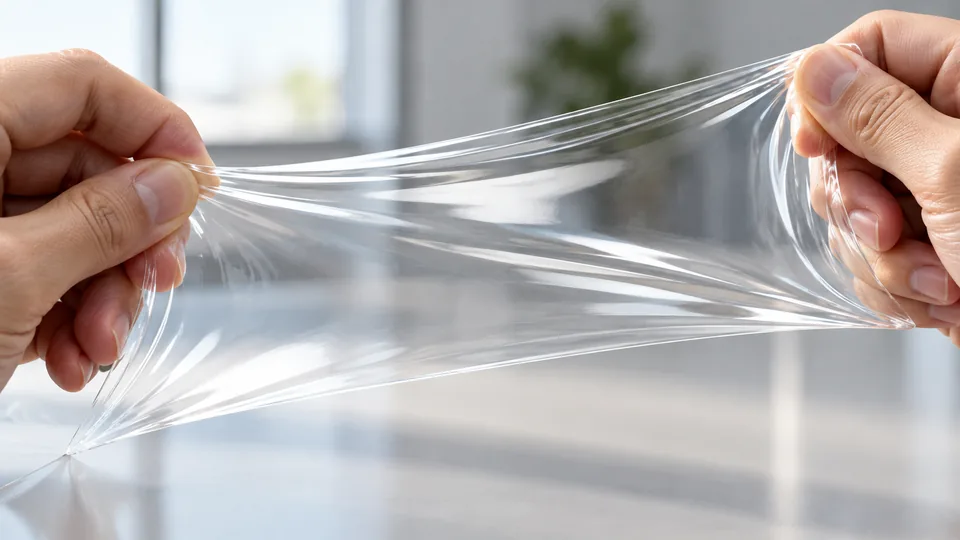
TPU film is a thin, flexible sheet of thermoplastic polyurethane, a rubber-like plastic that is optically clear, highly elastic and very abrasion resistant. Compared with PVC, PE and PET films, TPU stretches further, recovers its shape, resists scratches and stays clear for years, which is why it is used for paint protection, furniture protection and medical dressings.
Below we explain what TPU material is, how it is made and used, and how it compares with the other common plastic films: PVC (vinyl), PE (polyethylene) and PET (polyester). We also cover when you need a rigid clear sheet, such as acrylic, instead of a film.
What is TPU material?
TPU stands for thermoplastic polyurethane. It is a block copolymer made of alternating hard segments (from a diisocyanate and a short-chain diol) and soft segments (from a long-chain polyester or polyether polyol). The hard segments cluster together and act like physical cross-links, while the soft segments give elasticity. The result is a TPU elastomer that behaves like rubber at room temperature but melts when heated, so it can be extruded, cast or injection molded and then recycled.
Key terms explained:
- Thermoplastic means the material softens when heated and hardens again on cooling, unlike thermoset rubber.
- TPU pellets are the raw form. They are melted for film extrusion, blown film or TPU pellets for injection molding into phone cases, shoe soles and cable jackets.
- Polyester vs polyether TPU: polyester grades have better abrasion and oil resistance; polyether grades resist hydrolysis and microbes better, so they suit humid and medical uses.
- Aromatic vs aliphatic TPU: aromatic TPU yellows in UV light; aliphatic TPU stays clear, so it is used for clear protective films.
Is TPU the same as PU? "PU" or polyurethane covers a huge family including foams, coatings and thermoset rubbers. TPU is the melt-processable subset. A PU film or urethane film sold for textiles or HTV is often TPU-based.
TPU film, TPU sheet and other forms
The same TPU plastic material is sold in several forms. Thermoplastic polyurethane film is usually under 0.5 mm and comes on rolls, often with an adhesive and liner for protection uses. A thermoplastic polyurethane sheet, or TPU sheet, is thicker, typically 0.5–3 mm, and is cut into gaskets, pads and phone-case blanks. Transparent TPU is chosen when clarity matters, while colored and matte grades suit textiles and industrial uses. All are polyurethane film or sheet in the thermoplastic family, which is why the terms are often used loosely.
What is TPU film used for?
TPU film is usually 25–300 micron (1–12 mil) thick. Its main applications are:
- Paint protection film on cars, typically 6–8.5 mil with a self-healing top coat.
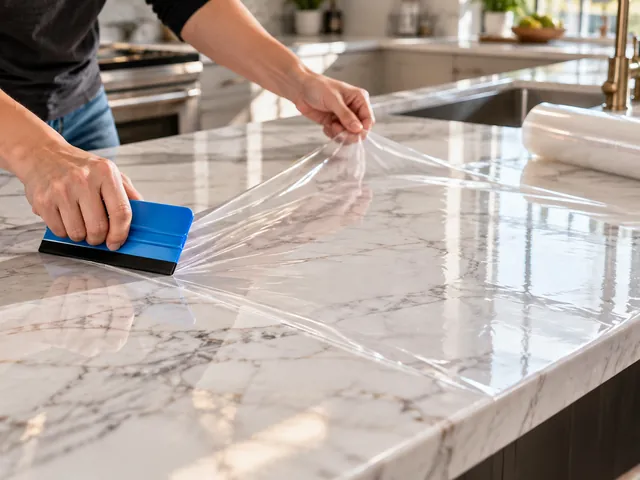
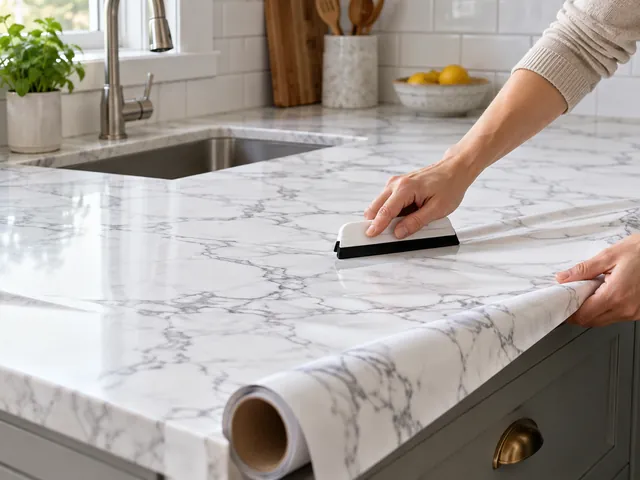
- Furniture and countertop protection: clear TPU applied to tables, cabinets and worktops.
- Medical PU film: thin, breathable polyether TPU for wound dressings and IV site covers, because it lets water vapor out while blocking liquids and bacteria.
- Textiles: waterproof-breathable laminates for jackets, and TPU coating on fabric for dry bags and inflatables.
- Heat transfer vinyl: PU-based HTV is soft and stretchy on sportswear.
- Screen protectors, phone cases and watch straps in transparent TPU.
TPU vs PVC vs PE vs PET: how do they compare?
| Property | TPU | PVC (vinyl) | PE (polyethylene) | PET (polyester) |
|---|---|---|---|---|
| Feel | Soft, rubbery, elastic | Flexible or rigid, depending on plasticizer | Soft, waxy | Stiff, crisp |
| Typical elongation at break | 300–600%+ | 150–400% (flexible) | 200–600% | About 70–130% |
| Clarity | Very high (aliphatic) | High | Hazy to clear | Very high |
| Scratch and abrasion resistance | Excellent; self-healing grades | Moderate | Low | Good, but scratches stay |
| Typical service temperature | About −40 to 80 °C | About −10 to 60 °C | About −50 to 80 °C | About −60 to 150 °C |
| Long-term clarity | Stays clear (aliphatic) | Can yellow and stiffen as plasticizer migrates | Can embrittle in UV | Stable |
| Relative cost | Highest | Low | Lowest | Low to medium |
| Typical uses | Protection film, medical, textiles | Decorative film, signage vinyl, clear sheeting | Packaging, temporary protection, sheeting | Packaging, liners, labels, window film base |
In short: choose TPU for long-term, impact- and scratch-resistant clear protection; PVC for low-cost decorative and printable film; PE for cheap temporary protection and packaging; and PET when you need a stiff, strong, heat-stable, dimensionally stable film.
What is PVC film?
PVC film, or film PVC, is polyvinyl chloride made flexible with plasticizers or left rigid. Flexible clear PVC film and clear PVC roll stock are used for table covers, curtains and clear vinyl plastic sheeting; rigid PVC film is used for blister packs and thermoformed trays. A clear PVC sheet or transparent PVC sheet is the thicker, rigid version.
Most self-adhesive decorative and signage films are PVC because it prints well, cuts cleanly on plotters and costs less. Its weakness is plasticizer migration: over years, flexible PVC can stiffen, shrink and yellow, which is why TPU replaced it for long-life clear protection. Our adhesive vinyl guide covers PVC films in more depth.
What is PE film?
Polyethylene film is the most widely produced plastic film. LDPE and LLDPE are soft and stretchy, used for bags, stretch wrap and poly film rolls for construction. HDPE film, or high density polyethylene film, is stiffer, crinklier and stronger for its thickness.
In surface protection, PE film is the blue or clear temporary film on new windows, stainless steel and appliances. It is cheap and leaves no residue when removed within weeks, but it does not resist scratches or last long in sunlight. Our self-adhesive PE surface protective film is 0.03–0.2 mm thick with acrylic adhesive in 0.9–1.2 m widths.
Plastic film window insulation kits use a thin shrinkable polyolefin film taped to the frame and tightened with a hairdryer. It is a seasonal fix that traps an insulating air gap to keep cold out.
What is PET film?
PET film is biaxially oriented polyethylene terephthalate, commonly called polyester film. It is stiff, strong, very clear, dimensionally stable and heat resistant to about 150 °C. Polyester PET film is used for:
- Release liners for labels, tapes and protective films
- The base film of most solar control and safety window films
- Stencil and masking backings in sandblasting
- Polyester packaging film, lids and laminated pouches, including PET film packaging for food
- Electrical insulation, printed electronics and transparency sheets
PET does not stretch much, so it cannot wrap curves the way TPU or PVC can, and scratches on PET are permanent.
Other plastic films: CPP, BOPP and biodegradable films
Cast polypropylene film (CPP) is a soft, clear, heat-sealable film used inside food packaging. Biaxially oriented polypropylene (BOPP) is stiff and glossy, used for labels and tape. Biodegradable plastic film is usually PLA or PBAT, compostable only under industrial conditions and with lower strength than conventional films.
Films vs rigid clear plastic sheets: acrylic, polycarbonate and PVC panels
If you need a clear plastic glass replacement for a window, a picture frame or a sneeze guard, you need a rigid sheet, not a film. Acrylic glass sheets (PMMA, commonly called clear acrylic sheet) are about half the weight of glass, very clear and easy to cut, but they scratch. Polycarbonate is far more impact resistant and is used for safety glazing. Clear PVC panels are cheaper and suit signage and partitions.
Rolls and sheets are also sold differently. A clear plastic roll or clear plastic sheeting roll is usually flexible PVC or PE, sold by the meter for drop cloths, greenhouse covers and temporary enclosures; heavy duty clear plastic rolls are typically 6–10 mil PE or 20–40 gauge PVC. A window plastic roll for insulation is thin shrink film. Frosted plastic sheets are usually acrylic, polycarbonate or PET with a matte surface for light diffusers and privacy panels.
Thin acrylic sheets of 1–3 mm suit crafts and frames; 6 mm (1/4 in) window acrylic sheets suit secondary glazing and tabletops, and thick acrylic glass of 10 mm or more is used for aquariums and display cases. Any acrylic or plastic glass sheet used as acrylic sheet for window glazing should be fixed with room to expand, because acrylic moves more with temperature than glass. You can apply window film on acrylic, but test first, because some adhesives and solvents cause crazing. To protect acrylic or a desk surface from scratches, a clear TPU film works well as a thin plastic cover for desk and counter tops.
How to choose the right plastic film
- Define the job. Permanent protection, temporary protection, decoration, packaging or a structural pane.
- Check lifespan. Weeks points to PE; a few years to PVC; five years or more of clear protection to aliphatic TPU.
- Check the surface shape. Curves and edges need elastic TPU or PVC; flat panels can take PET.
- Check temperature and UV. Hot or sunny locations favor PET or UV-stabilized TPU.
- Specify thickness in micron or mil. 1 mil = 25.4 micron; confirm whether the figure includes adhesive.
- Request samples. Test clarity, adhesion and removal on your actual surface.
TPU film for furniture and countertop protection
Clear TPU is now the standard for protecting finished surfaces. A plastic countertop cover in TPU is nearly invisible, waterproof and wipe-clean, and its self-healing top coat makes light scratches fade with warmth. Our clear TPU furniture protection film is supplied in 6.5, 7.5 and 8.5 mil thicknesses on 1.52 m × 15 m rolls, anti-scratch, self-healing, waterproof and anti-yellowing, with a warranty of more than 5 years, from 1 roll.
For a deeper look at self-healing and thickness choice, read TPU surface protection film explained, and see the furniture protection case study for a factory application.
Next step
Tell us the surface you want to protect, whether it is flat or profiled, the thickness and finish (glossy or matte) and the number of rolls. We will send free A4 samples of TPU and PE film and quote within 24 hours. Request samples or a quotation.
Frequently Asked Questions
What is TPU material?
TPU, or thermoplastic polyurethane, is a plastic that behaves like rubber. It is a block copolymer of hard and soft segments, so it is elastic, tough and abrasion resistant at room temperature but melts when heated. That lets manufacturers extrude it into film, mold it into phone cases and shoe soles, and recycle production scrap.
Is TPU better than PVC?
For long-term clear protection, TPU is better than PVC. It stretches further, resists scratches, can self-heal light marks and does not contain plasticizers that migrate out, so it stays flexible and clear for years. PVC is cheaper, prints well and cuts cleanly on plotters, which makes it the better choice for decorative film and signage vinyl.
What is the difference between TPU and PU?
PU, or polyurethane, is a broad family that includes foams, coatings, adhesives and thermoset rubbers. TPU is the thermoplastic subset of polyurethane: it can be melted and reshaped repeatedly. Many products sold as PU film or PU heat transfer vinyl are TPU-based, while PU foam in mattresses or PU varnish on floors is not thermoplastic.
Is TPU film waterproof?
Yes, TPU film is waterproof against liquid water, which is why it is used for protection films, dry bags, inflatables and waterproof jacket membranes. Thin polyether TPU film is also breathable, meaning water vapor can slowly pass through while liquid water cannot. That combination makes it useful in medical dressings and outdoor clothing.
What is PET film used for?
PET film, also called polyester film, is used where a stiff, strong, clear and heat-stable film is needed. Common uses include release liners for labels and tapes, the base layer of window films, food packaging lids and pouches, electrical insulation, stencil backings and transparency sheets. It does not stretch much, so it is unsuitable for wrapping curves.
What is the difference between PE and PET film?
PE film is polyethylene: soft, stretchy, low cost and often slightly hazy, used for bags, stretch wrap and temporary surface protection. PET film is polyester: stiff, very clear, strong and heat resistant to about 150 degrees Celsius, used for liners, packaging lids and window film bases. Despite similar names, they are completely different polymers.
Does TPU film turn yellow?
It depends on the grade. Aromatic TPU yellows when exposed to UV light, but aliphatic TPU, used in quality paint and furniture protection films, is formulated to stay clear for many years. UV stabilizers in the film and adhesive further slow yellowing. Ask suppliers to confirm the film is an aliphatic, anti-yellowing grade.