Key takeaways
- HTV is a PU or PVC film with a heat-activated adhesive on a clear PET carrier, cut mirrored with the shiny carrier side down.
- Permanent adhesive vinyl is not washable on fabric, while HTV bonds into fibers and typically survives dozens of washes.
- Cotton and cotton blends are the easiest fabrics for HTV, typically pressed at 150–165 °C (300–330 °F) for 10–15 seconds.
- Polyester and nylon need lower temperatures, and nylon needs an HTV grade with a nylon-specific adhesive.
- When layering HTV, lower layers are pressed for only 2–3 seconds and the full press time is given only on the final layer.
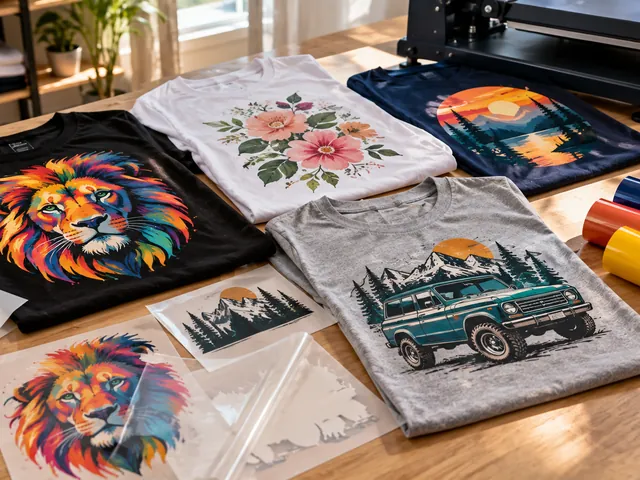
HTV vinyl (heat transfer vinyl) is a thin PU or PVC film with a heat-activated adhesive on a clear carrier sheet. You cut a mirrored design, weed the excess, then press it onto fabric at typically 150–165 °C (300–330 °F) so the adhesive bonds into the fibers. It is the standard way to put names, numbers and logos on shirts.
HTV meaning, in short: HTV stands for heat transfer vinyl, also called iron-on vinyl, heat press vinyl or fabric heat transfer vinyl. This guide explains how it works, the main types, which fabrics it suits, how it differs from permanent adhesive vinyl, and how to apply it. It is written for beginners, crafters and the apparel decorators, print-on-demand sellers and distributors who buy it by the roll.
What is HTV and how does heat transfer vinyl work?
A roll of HTV has three layers:
- Carrier sheet: a clear PET film with a light tack that holds the design together after weeding. This is the shiny side.
- Color film: polyurethane (PU) or polyvinyl chloride (PVC), typically 70–150 micron (about 3–6 mil), that gives the color and finish.
- Heat-activated adhesive: a thermoplastic layer, usually polyurethane or polyester based, that is dry at room temperature and melts under heat and pressure. This is the dull side.
When you press, heat softens the adhesive and pressure pushes it into the weave of the fabric. As it cools, it locks mechanically around the fibers. That is why time, temperature and pressure all matter; too little of any one leaves a weak bond that peels in the wash. Our deeper guide to HTV wash-fastness and heat-press settings explains the numbers.
HTV shiny side up or down?
Heat transfer vinyl shiny side up or down is the question every beginner asks. Cut heat transfer vinyl shiny side down on the cutting mat, so the blade cuts through the dull color and adhesive layer but not the carrier. Always mirror the design before cutting. When pressing (HTV which side down?), the shiny carrier side faces up and the dull adhesive side goes down on the fabric. Getting this wrong is the most common beginner mistake.
HTV vs permanent adhesive vinyl: can you use permanent vinyl on shirts?
No. You cannot use permanent vinyl on fabric reliably. Permanent adhesive vinyl uses a pressure-sensitive adhesive designed for smooth, hard surfaces. On a shirt it sits on top of the fibers, cracks when the fabric flexes and peels off in the first wash. Will permanent vinyl stick to fabric for a one-off costume? Briefly, but it is not washable.
| Feature | Heat transfer vinyl (HTV) | Permanent adhesive vinyl |
|---|---|---|
| Adhesive | Heat-activated, dry to touch | Pressure-sensitive, tacky |
| Backing | Clear carrier sheet (no transfer tape needed) | Paper release liner (needs transfer tape) |
| Cut | Mirrored, shiny side down | Not mirrored, color side up |
| Best surfaces | Cotton, polyester, blends, canvas, leather | Glass, metal, plastic, tumblers, wood signs, walls |
| Washable on fabric | Yes, typically dozens of washes | No |
The reverse question comes up often too: HTV on glass, heat transfer vinyl on glassware, or heat transfer vinyl for metal. Heat cannot be applied evenly to glass, and the adhesive is made for fibers, so for tumblers, mugs and glass the best vinyl for tumblers is permanent adhesive vinyl. Permanent vinyl for wood signs and outdoor waterproof vinyl for mailboxes and coolers follow the same rule. HTV can work on wood and canvas panels, which are porous and take heat well.
Types of heat transfer vinyl
| Type | Feel and look | Best for |
|---|---|---|
| PU HTV | Thin, soft, stretchy, matte or glossy | T-shirts, sportswear, everyday apparel |
| PVC HTV | Thicker, firmer, bright colors, lower cost | Bags, workwear, banners, budget runs |
| Stretch / high-elastic PU | Very flexible, recovers after stretching | Team jerseys, leggings, performance fabrics |
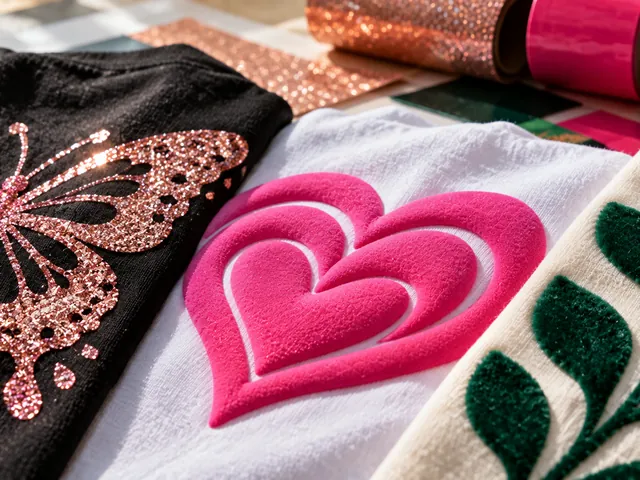
| Glitter HTV | Thick, sparkling, textured | Fashion, events, kids' wear |
| Metallic and foil (e.g. gold HTV) | Mirror or metallic shine | Logos, fashion accents |
| Flock HTV | Velvety, raised | Retro and premium looks, numbers |
| Puff / 3D heat transfer vinyl | Expands under heat into raised 3D vinyl | Streetwear, caps, kids' designs |
| Printable and printed HTV | White or clear base printed with full color | Photos, gradients, multicolor logos |
| Reflective HTV | Reflects light at night | Safety wear, running gear |
For a detailed comparison of the two base materials, read PU vs PVC heat transfer vinyl for team jerseys. Specialty films are covered in our guide to puff, glitter, flock and reflective HTV.
Printed HTV and printable vinyl
Can you print on vinyl? Yes, on printable grades. Printable HTV has a white or clear receptive surface that takes solvent, eco-solvent or UV inks from a print-and-cut printer; the printed vinyl is then contour-cut and weeded like standard HTV. In wider heat transfer printing, printed heat transfer vinyl and patterned printed HTV vinyl (plaid, leopard, camo, florals) are also sold pre-printed by the roll. For full color heat transfers in volume, many decorators now use direct-to-film transfers instead; compare methods in HTV vs DTF vs sublimation vs screen printing.
White, black and color HTV
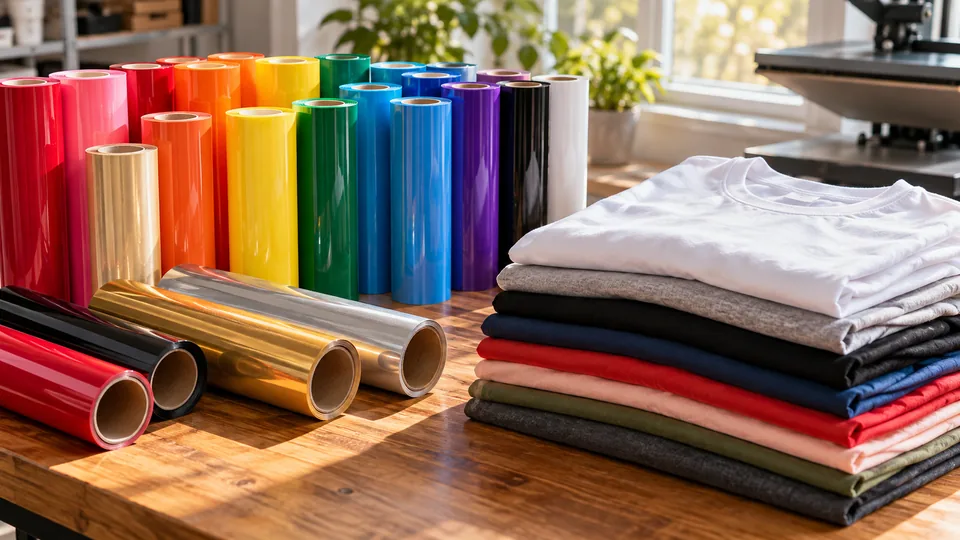
White HTV and black heat transfer vinyl are the best-sellers by a wide margin, followed by gold heat transfer vinyl, red, yellow heat transfer vinyl, green heat transfer vinyl and orange heat transfer vinyl. White heat transfer vinyl on dark fabric needs good opacity; check that the film does not let a dark shirt show through. For heat transfer vinyl for dark fabric, avoid thin budget whites. Matte HTV looks closer to screen printing; glossy HTV gives brighter color. Clear HTV vinyl is used as a top layer for a subtle tone-on-tone effect.
What is the best fabric for heat transfer vinyl?
The best fabric for HTV, and the reason cotton tees are the classic heat transfer vinyl for shirts, is 100% cotton or a cotton-polyester blend: it tolerates full heat and gives the adhesive plenty of fibers to grip. Other fabrics work with adjusted settings. Typical starting points are below; always follow the vinyl manufacturer's own settings and test on a scrap.
| Fabric | Typical temperature | Typical time | Notes |
|---|---|---|---|
| Cotton, cotton blends, canvas | 150–165 °C (300–330 °F) | 10–15 s | Easiest; does heat transfer vinyl work on cotton? Yes, best of all |
| Polyester | 130–150 °C (265–300 °F) | 8–12 s | Lower heat avoids scorch marks and dye migration |
| Moisture-wicking performance fabrics | 130–150 °C | 8–10 s | Heat transfer vinyl for moisture-wicking athletic shirts should be a stretch, low-temperature PU grade |
| Nylon | 120–140 °C (250–285 °F) | 5–10 s | Needs heat transfer vinyl for nylon with a special adhesive; often a pre-press and a second press |
| Leather and faux leather | About 130 °C | 10 s | Test first; use a cover sheet |
Can you use heat transfer vinyl on polyester? Yes. HTV on polyester works well if you lower the temperature, because polyester dyes can "migrate" into a white vinyl at high heat and tint it. Heat transfer vinyl for canvas bags, tote bags and canvas shoes is easy: canvas is thick cotton and tolerates full heat.
How to heat transfer vinyl step by step
These heat transfer vinyl instructions apply to standard PU HTV on a cotton T-shirt using a heat press:
- Prepare the design. Size it for the garment and mirror it in your cutting software.
- Cut shiny side down. Place the HTV carrier side down on the mat and run a test cut first.
- Weed. Remove the excess vinyl with a weeding hook, leaving the design on the carrier.
- Pre-press the garment. Press the blank shirt for 3–5 seconds to remove moisture and wrinkles.
- Position the design. Place it carrier side up; a common adult chest position is 7–10 cm (3–4 in) below the collar.
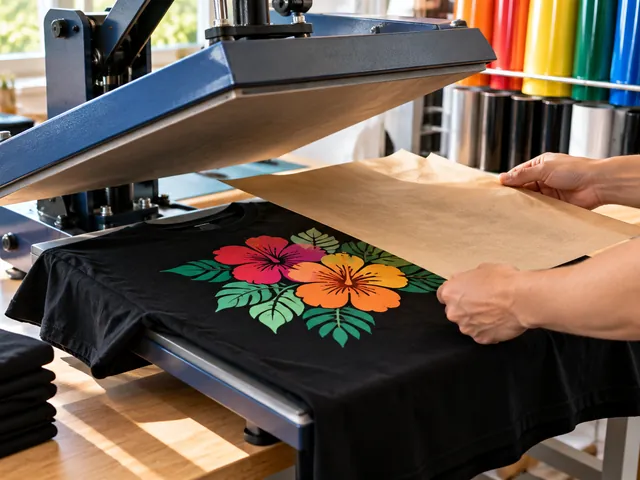
- Press. Cover with a PTFE or parchment sheet and press at the recommended temperature, time and pressure, often 150–165 °C for 10–15 seconds at medium pressure.
- Peel. Peel the carrier hot, warm or cold as the vinyl specifies. If the vinyl lifts, lay it back down and press for a few more seconds.
- Wait before washing. Wait 24 hours, then wash inside out in cool or warm water and avoid high dryer heat.
With a household iron, use the cotton setting without steam, press firmly with body weight rather than gliding, and cover each area for 20–30 seconds. A heat press gives far more consistent heat and pressure; for step-by-step iron and press methods, see how to apply heat transfer vinyl with an iron or heat press.
Can you layer heat transfer vinyl?
Yes. Layering heat transfer vinyl is how multicolor designs are made. How to layer HTV: press the bottom layer for only 2–3 seconds to tack it, peel, add the next layer, and give the full press time only on the final layer. Limit layers to three or four, and avoid layering on top of glitter, flock or nylon-grade HTV, which other films do not stick to well. Heat resistant tape for heat transfer work (heat resistant transfer tape) holds layers in place without leaving residue.
HTV sizing guide for shirts
HTV size depends on garment and placement. Typical starting widths for adult garments:
- Full front: 25–30 cm (10–12 in) wide.
- Left chest logo: 7.5–10 cm (3–4 in) wide.
- Back number: 20–25 cm (8–10 in) tall.
- Youth and toddler fronts: 15–20 cm (6–8 in) and 13–18 cm (5–7 in) wide.
- Sleeve: 7.5 cm (3 in) wide.
Heat transfer shirt press and T-shirt printing equipment
For anything beyond occasional crafts, a heat press is the core piece of T-shirt printing equipment. Clamshell presses are compact and fast; swing-away presses give even pressure and safer access; drawer presses suit production. A 38 × 38 cm (15 × 15 in) platen covers most adult shirts. The best heat transfer press for a small business has a digital temperature readout, even platen heat and adjustable pressure. A cutting machine or vinyl plotter, a weeding hook, heat resistant tape and cover sheets complete the setup.
Where to buy heat transfer vinyl
Where to buy HTV depends on volume. Hobby users usually buy HTV vinyl sheets and small rolls from craft stores and online marketplaces. Print shops, print-on-demand businesses and distributors usually buy heat transfer vinyl rolls direct from a manufacturer, which keeps colors consistent from batch to batch and lowers the cost per meter compared with cheap HTV packs.
Our heat transfer vinyl range includes PU and PVC HTV in matte, glossy and shimmer finishes, easy-weed and high-elastic sportswear grades, in 0.5 m and 0.61 m widths (0.305 m on some grades) on 25 m and 50 m rolls. Listed transfer settings are 150–180 °C for 10–15 seconds at 0.3–0.5 MPa, compatible with cotton, polyester, chemical fiber and leather. Stock items start from 1 roll and custom colors from 100 rolls.
Next step
Tell us the garments and fabrics you decorate, the finishes and colors you need and your monthly volume. We will send free A4 HTV samples to test on your own heat press and a quotation within 24 hours. Contact us here.
Frequently Asked Questions
What does HTV stand for?
HTV stands for heat transfer vinyl. It is a thin PU or PVC film with a heat-activated adhesive on a clear carrier sheet, used to decorate T-shirts, bags, caps and other fabrics. It is also called iron-on vinyl or heat press vinyl, because it is applied with a heat press or household iron rather than by pressure alone.
Does HTV go shiny side up or down?
When cutting, place HTV shiny side down on the mat so the blade cuts the dull color and adhesive layer, and remember to mirror the design. When pressing, the shiny carrier side faces up and the dull adhesive side goes down onto the fabric. After pressing, the shiny clear carrier is peeled away.
Can you use permanent vinyl on shirts?
No. Permanent adhesive vinyl uses a pressure-sensitive adhesive meant for hard, smooth surfaces such as glass, metal and plastic. On fabric it sits on top of the fibers, cracks as the shirt flexes and usually peels off in the first wash. For shirts and other garments, use heat transfer vinyl, which bonds into the fabric under heat.
Can you put HTV on polyester?
Yes. HTV works well on polyester if you lower the press temperature, typically to about 130 to 150 °C, and shorten the time slightly. High heat can scorch polyester or cause dye migration, where the fabric dye tints white vinyl. Choose a low-temperature or stretch PU HTV for polyester sportswear and test on a scrap first.
Can you use heat transfer vinyl on glass?
Heat transfer vinyl is not recommended for glass, mugs or tumblers. Glass cannot be heated evenly with a press, and the adhesive is designed to grip fabric fibers, not smooth hard surfaces. For glassware, tumblers and metal, use permanent adhesive vinyl applied with transfer tape, which is made for those surfaces and resists handwashing.
What is the best heat transfer vinyl for beginners?
For beginners, a standard easy-weed PU heat transfer vinyl is the best choice. It is thin, soft and forgiving, cuts cleanly on desktop cutting machines, weeds easily and works on cotton and polyester with a home iron or heat press. Start with white or black on a cotton shirt before moving to glitter, flock or layered designs.
How long does heat transfer vinyl last?
Properly pressed heat transfer vinyl typically lasts dozens of washes, and good PU grades often outlast the garment. Lifespan depends on correct temperature, time and pressure, the fabric, and care. Wait 24 hours before the first wash, turn garments inside out, wash cool to warm and avoid high dryer heat and ironing directly on the vinyl.
Can you layer heat transfer vinyl?
Yes. Press each lower layer for only two to three seconds to tack it in place, peel the carrier, add the next color, and give the full press time only to the final layer. Keep to three or four layers, and avoid layering on top of glitter, flock or nylon-grade HTV, because other vinyl does not bond well to them.