Key takeaways
- The best-selling vinyl tile patterns are checkered, marble, terrazzo, hexagon, encaustic and stone look designs.
- A diagonal checkerboard layout makes a narrow room look wider but typically adds 10–15% waste from edge cuts.
- Groutable vinyl tile is laid with a gap of about 3 mm (1/8 in) filled with flexible acrylic vinyl grout, never cement grout.
- In bathrooms, large patterned vinyl tiles or rolls with a silicone-sealed perimeter resist water better than small tiles.
- Peel-and-stick patterned tiles are made for indoor floors and walls; patios need porcelain pavers or deck tiles instead.
Patterned peel-and-stick floor tiles are self-adhesive vinyl tiles or rolls printed with a design such as black and white checkerboard, marble, terrazzo, hexagon, encaustic or stone. They let you change a floor's look in a day without mortar or grout. The pattern and layout you choose matter as much as the product, so plan both before you buy.
This guide covers the most popular floor tile patterns, how to lay them out, which vinyl formats suit which rooms, and the same designs used on walls and backsplashes. It is written for homeowners choosing a look and for retailers and installers deciding what to stock.
What are the most popular patterns in tiles?
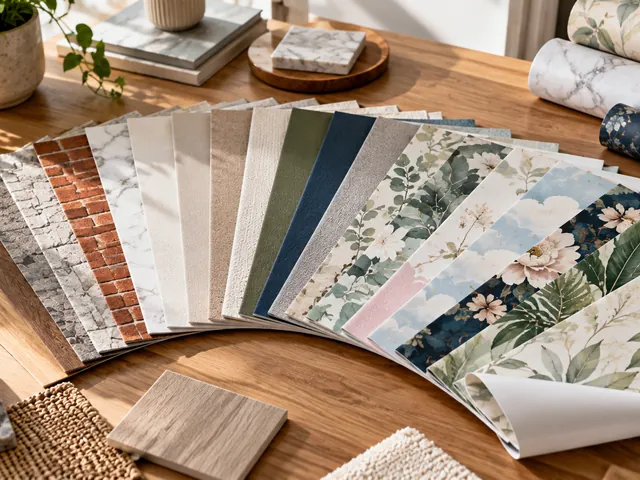
Patterns in tiles come from two things: the printed design on each tile, and the way tiles are arranged on the floor. Vinyl tile flooring patterns copy both. These are the designs that sell most consistently:
| Design | Look | Best rooms | Style |
|---|---|---|---|
| Checkered (checkerboard) | Alternating black and white squares, or softer two-tone combinations | Kitchens, entryways, bathrooms, cafés | Retro, Art Deco, modern farmhouse |
| Marble | White, grey or black stone with veining | Bathrooms, entryways, kitchens | Classic, glam, contemporary |
| Terrazzo | Chips of stone or glass in a solid base | Kitchens, living areas, retail | Mid-century, Scandinavian, playful |
| Hexagon | Six-sided tiles, mosaic or large-format | Bathrooms, showers, laundry rooms | Vintage, modern |
| Encaustic / Moroccan | Printed geometric or floral motifs | Bathrooms, kitchens, patios | Mediterranean, boho |
| Stone and slate | Natural stone, cobblestone, flagstone | Kitchens, mudrooms, basements | Rustic, traditional |
| Brick | Herringbone or running-bond brick | Kitchens, hallways | Industrial, cottage |
Our geometric and mosaic self-adhesive floor tiles cover several of these, including black hexagon, white hexagon, black-white checkerboard and Moroccan mosaic designs on 0.61 m × 10 m rolls.
Checkered floor ideas: black and white and beyond
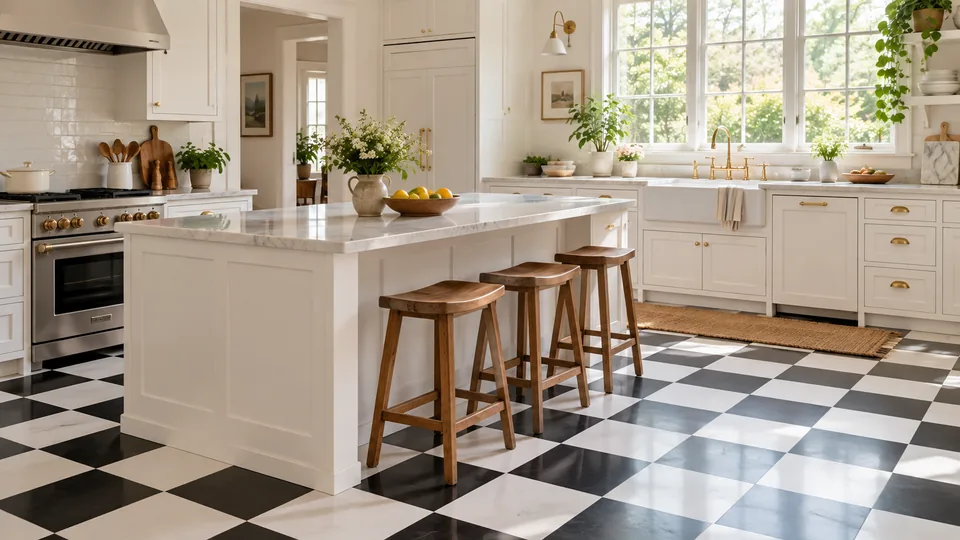
A checkered floor is the most recognizable tile pattern in the world, and black and white flooring is its classic form. Black white checkered flooring suits small kitchens, bathrooms and entry halls because the strong contrast gives a compact room a clear structure.
- Straight checkerboard: squares run parallel to the walls. Easiest to install and the most traditional look.
- Diagonal checkerboard (diamond): squares turned 45 degrees. Makes a narrow room look wider, but expect 10–15% more waste from edge cuts.
- Soft checkers: cream and tan, sage and white, or terracotta and beige. A modern take that is less busy than black and white vinyl flooring.
- Large checks: 45–60 cm (18–24 in) squares in an open-plan room keep the pattern calm.
Black and white vinyl tile flooring comes in two formats: individual squares that you lay in the pattern yourself, and checkered vinyl flooring roll (or black and white vinyl sheet flooring) where the pattern is printed across the sheet. Tiles give crisper, real seams; checkerboard vinyl sheet flooring gives fewer joints, which is better for wet rooms. Checkered linoleum flooring is a third option, made from linseed oil and cork rather than PVC, but it is not peel-and-stick.
Marble and terrazzo vinyl flooring
Marble vinyl flooring
Marble vinyl flooring gives you a faux marble floor at a fraction of the weight and cost of stone, and it is warmer and softer underfoot. Marble vinyl tile works best in larger formats (30 × 60 cm or 60 × 60 cm / 12 × 24 in or 24 × 24 in), because real marble is usually cut large. White marble vinyl flooring brightens bathrooms; black marble floor tile and black marble vinyl tile create a dramatic entry or powder room.
To make a fake marble floor look convincing, choose a design with varied veining, not the same vein repeated on every tile, and rotate tiles as you lay them so the pattern does not repeat in obvious lines. A marble vinyl flooring roll avoids repeats entirely across its width.
Terrazzo floor tile and terrazzo vinyl
Terrazzo tiles are traditionally made by setting marble or glass chips in cement or resin and polishing the surface. Real terrazzo floor tile is heavy, cold and expensive to install. Terrazzo vinyl flooring prints the same speckled look on PVC, available as terrazzo vinyl tiles, terrazzo vinyl flooring roll or terrazzo sheet vinyl flooring. Small-chip designs read as calm and neutral; large-chip, multicolor designs make a bold statement in kitchens and cafés.
Stone look vinyl flooring and other natural patterns
Stone look vinyl flooring imitates slate, travertine, limestone or flagstone. Kitchen stone look vinyl flooring is popular because it hides crumbs and wear better than solid colors. Stone look sheet vinyl flooring suits basements and utility rooms, where you want as few seams as possible; stone look vinyl tile flooring suits kitchens and mudrooms where a tile layout looks more authentic. Cobblestone look vinyl flooring is a niche but steady seller for rustic kitchens and covered patios.
Other natural designs include brick pattern vinyl flooring (often laid in herringbone) and vinyl that looks like wood, used as fake wooden floorboards in rentals. For plank-style wood looks, see our guide to peel-and-stick vinyl plank flooring.
Floor tile patterns and layouts
Pattern tile layout is the second half of design. The same plain square tile can look completely different depending on how you set it out. Common tile flooring patterns and layouts:
| Layout | Description | Extra waste (typical) | Effect |
|---|---|---|---|
| Straight lay (grid) | Tiles aligned with the walls | 5–10% | Clean, classic |
| Diagonal | Grid rotated 45 degrees | 10–15% | Widens narrow rooms |
| Running bond / brick | Each row offset by half a tile | 5–10% | Movement, less grid |
| Herringbone | Rectangles in a V-zigzag | 15–20% | High-end, energetic |
| Basketweave | Pairs of rectangles alternating direction | 10–15% | Vintage, textured |
| Border and field | Patterned border around a plain center | 10–15% | Formal, defines a zone |
Vinyl flooring pattern layout step by step
- Find the room's center. Snap chalk lines between the midpoints of opposite walls; where they cross is your starting point.
- Dry-lay a row each way. Without peeling the backing, lay tiles along both lines to see how cuts fall at the walls.
- Shift to avoid slivers. If a wall row would be narrower than half a tile, move the center line by half a tile.
- Balance the doorway. Make sure the pattern looks centered from the main entrance, which is where it is seen most.
- Lay from the center out, working in quadrants and pressing each tile with a 45 kg (100 lb) roller or firm hand roller.
For the full process, including subfloor prep and acclimation, read how to install peel-and-stick floor tiles so they do not lift.
What is groutable vinyl tile?
Groutable vinyl tile is a thicker vinyl tile designed to be laid with a small gap, typically 3 mm (1/8 in), that is then filled with a flexible, acrylic-based vinyl grout. The grout lines make vinyl floor tiles groutable to look much closer to ceramic or stone. Groutable peel and stick tiles exist, but most groutable vinyl tile flooring uses a separate adhesive. Do not use cement grout on vinyl; it cracks as the vinyl moves. Peel and stick grout strips and printed grout lines are simpler alternatives for thin tiles.
Patterned bathroom floor tiles and kitchens
Tile patterns for modern bathrooms lean toward hexagons, encaustic prints, terrazzo and large marble. Patterned bathroom floor tiles in vinyl are popular because vinyl is waterproof and warmer than ceramic, but seams are the weak point: water can creep under tile edges. In bathrooms, choose large tiles or a roll format, seal the perimeter with flexible silicone and keep peel-and-stick out of the shower itself. Patterned shower tiles should be real ceramic, porcelain or a dedicated wet-area wall system.
Our waterproof hexagon bathroom flooring film is a 350+ micron PVC with a grid-lined backing in 0.61 m × 3 m rolls. A kitchen with patterned tiles also benefits from a wipeable surface; avoid placing thin vinyl under heavy appliances that are pulled in and out.
Patterned vinyl flooring vs patterned ceramic floor tiles
Patterned ceramic floor tiles are harder, last decades and tolerate heat, but they need mortar, grout, a rigid subfloor and professional time. Patterned vinyl flooring, patterned linoleum flooring and patterned LVT flooring are softer, quieter, cheaper and DIY-friendly. Patterned LVT (luxury vinyl tile) is typically 2–5 mm thick with a wear layer of 0.3–0.5 mm (12–20 mil), so it outlasts thin peel-and-stick tiles in high-traffic rooms.
Can you use the same patterns on walls and backsplashes?
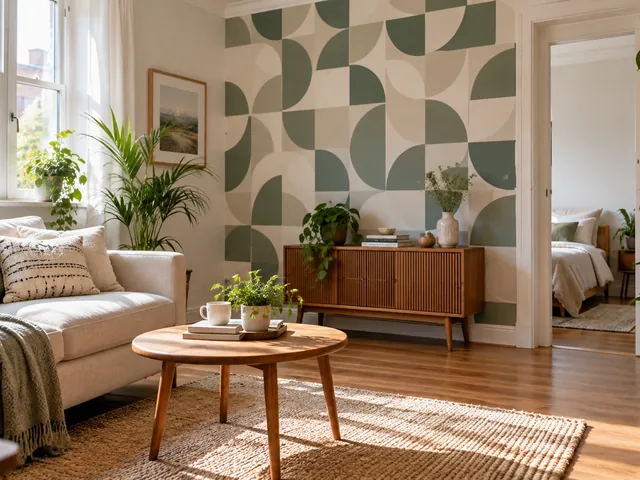
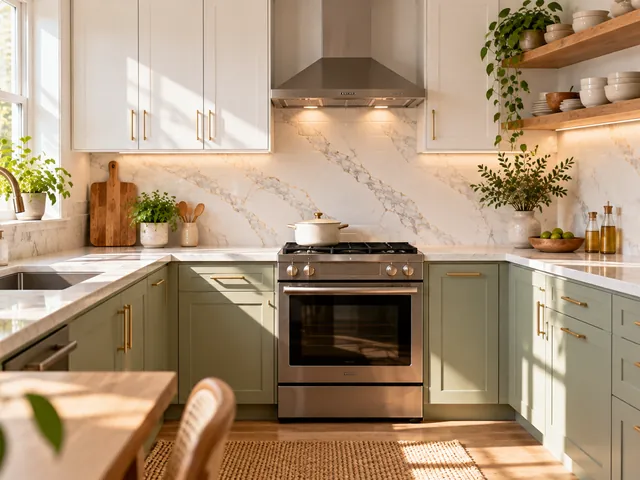
Yes. The same designs are made as peel and stick wall products: decorative tiles for backsplashes, deco tiles wall stickers, wall paper peel and stick in marble, stone and brick, and kitchen splashback vinyl. On walls you can go bolder, such as a yellow peel and stick backsplash or a matte black backsplash, because walls take no foot traffic.
- Peel and stick brick and peel and stick faux brick: embossed PVC that imitates red or white brick for feature walls. Compare looks in our guide to faux brick wallpaper vs wall panels.
- Peel and stick stone wall and peel and stick rock wall: stacked-stone and faux stone peel and stick designs for fireplaces and TV walls. Peel and stick stone veneer is a thicker, heavier option that usually needs construction adhesive.
- Marble vinyl wrap: white marble vinyl wrap and black marble vinyl wrap on furniture, countertops and cabinet doors.
Outdoor decorative tiles and patio lounge tile patterns are a different category: peel-and-stick vinyl is for indoor use only. Outdoors, use porcelain pavers or interlocking deck tiles.
Which patterned peel-and-stick floor tiles should retailers stock?
Retro vinyl flooring patterns and retro patterned floor tiles, such as small checkers, diamonds and 1950s-style geometrics, sell steadily alongside evergreen marble and wood. For retailers and e-commerce sellers, a sensible starter range is black and white checkered floor tiles, one white marble, one terrazzo, one hexagon and one stone look, each in a light and a dark variant. We produce self-adhesive wallpaper and floor films in stock patterns from 1 roll and custom printed patterns from 100 rolls, with private-label packaging available.
Next step
Tell us which patterns you want to test, the room or market they are for and whether you need tiles or rolls. We will send free A4 samples and a quotation within 24 hours. Contact us to request samples.
Frequently Asked Questions
Is checkered flooring still in style?
Yes. Checkered flooring remains one of the most popular floor patterns because it suits retro, modern farmhouse and contemporary rooms alike. Classic black and white works in small kitchens and entryways, while softer combinations such as cream and tan or sage and white give the same pattern a calmer, current look that is easier to decorate around.
What is the best floor tile pattern for a small room?
For a small room, a diagonal layout or larger tiles usually work best. Laying tiles at 45 degrees draws the eye across the room and makes it feel wider, while larger tiles reduce the number of grout lines. A straight black and white checkerboard also works well in small kitchens and bathrooms because it gives the space structure.
Can you grout peel and stick vinyl tile?
Only if the tile is labeled groutable. Groutable vinyl tile is thicker and laid with a gap of about 3 mm that is filled with flexible acrylic vinyl grout. Standard thin peel-and-stick tiles are designed to butt tightly together and should not be grouted. Never use cement-based grout on vinyl, because it cracks as the vinyl moves.
Does marble vinyl flooring look real?
Good marble vinyl flooring can look very convincing, especially in large formats with varied veining that does not repeat on every tile. Rotating tiles during installation, choosing a low-sheen or embossed surface and using a roll format to avoid visible repeats all make a fake marble floor look more like natural stone from normal viewing distance.
What is terrazzo vinyl flooring?
Terrazzo vinyl flooring is PVC flooring printed with the speckled look of terrazzo, a traditional surface made from marble or glass chips set in cement or resin. It comes as tiles, sheets or rolls and is lighter, warmer, quieter and much cheaper to install than real terrazzo, though it is less durable in heavy commercial traffic.
Can you use peel and stick floor tiles in a bathroom?
Peel-and-stick floor tiles can be used on bathroom floors outside the shower if the subfloor is clean, dry and smooth. Choose large tiles or a roll to reduce seams, press every tile with a roller and seal the edges along the tub and walls with flexible silicone. Do not use them inside showers or on surfaces that stay wet.
Can patterned peel and stick tiles be used outdoors?
No. Peel-and-stick vinyl tiles are designed for indoor floors and walls. Outdoors, sunlight, rain and temperature swings break down the adhesive and can fade or warp the vinyl. For patios and outdoor lounge areas, use porcelain pavers, outdoor-rated ceramic tiles or interlocking deck tiles laid on a suitable base instead.