Key takeaways
- Wall paneling falls into five main families: solid or reclaimed wood, plywood and wood veneer, MDF, PVC or vinyl wall board, and wood-grain wallpaper or decorative film.
- A slat wall panel only improves room acoustics when the slats are mounted over an absorbent felt or mineral-wool backing; bare slats are decorative.
- Peel-and-stick wood-grain wallpaper is the cheapest and fastest wood accent wall, needs no saw or nails, and suits renters because it removes without demolition.
- Self-adhesive wood-grain film bonds properly only to smooth, sealed, dust-free surfaces such as primed drywall, painted MDF, laminate or glass, at about 15–30 °C.
- Standard retail rolls of wood-grain wallpaper measure 0.61 m × 3 m (24 in × 9.8 ft), roughly 1.8 m² (19.7 sq ft) per roll before pattern waste.
Wall paneling is any decorative sheet, board or film fixed over a wall to add texture, warmth or protection, and the most popular style today is wood paneling. You can build it from solid or reclaimed boards, MDF, wood veneer or slat panels, or fake it with peel-and-stick wood-grain wallpaper, which costs far less and installs in an afternoon.
This guide compares every common option, from shiplap and wainscoting to acoustic slat walls, and explains when a wood-look film is the smarter choice. If you sell or install wall finishes, the specification notes near the end will help you choose stock and roll formats.
What are the main types of wall paneling?
Search for wall panelling (or paneling, in US spelling) and you will see five broad material families, from decorative wall panels in solid timber to printed wood wall paneling sheets and films. Each looks different up close, weighs different amounts and needs different tools.
| Type | Typical thickness | Look and feel | Install | Relative cost |
|---|---|---|---|---|
| Solid or reclaimed wood paneling | 9–19 mm (3/8–3/4 in) | Real grain, knots, can be stained | Saw, nails or construction adhesive | Highest |
| Plywood and wood veneer wall panels | 3–12 mm (1/8–1/2 in) | Real wood face on a stable core | Saw, adhesive, finish nails | Medium to high |
| MDF paneling (shaker, grooved, raised panel walls) | 6–18 mm (1/4–3/4 in) | Smooth, painted finish | Saw, adhesive, caulk, paint | Medium |
| PVC or vinyl wall board paneling | 2–10 mm (0.08–0.4 in) | Printed or embossed wood, tile or stone | Adhesive or clips, utility knife | Low to medium |
| Wood-grain wallpaper and decorative film | 0.15–0.5 mm (6–20 mil) | Printed or embossed wood texture | Peel and stick, squeegee, knife | Lowest |
Solid boards and veneer give the most authentic wood texture and age well, but they are heavy and add depth that must be planned around outlets, door casings and baseboards. MDF is the go-to material for painted wainscoting and modern shaker grids. Vinyl wall board and film are about cost, speed and moisture resistance.
Shiplap, wainscoting and board and batten
Shiplap is horizontal boards with an overlapping rabbet that leaves a small shadow gap. Wainscoting is paneling on the lower third of a wall, usually 90–120 cm (36–48 in) high, topped with a cap rail. Board and batten uses wide flat boards with narrow vertical strips over the joints. All three can be built in MDF and painted white, and a wainscoting wall or shiplap look can also be faked with shiplap wallpaper or peel and stick shiplap wall panels printed with the board lines. That flexibility is why white wall paneling and white wood paneling remain the best-selling looks for hallways and bedrooms.
Slat wall panels and grooved paneling
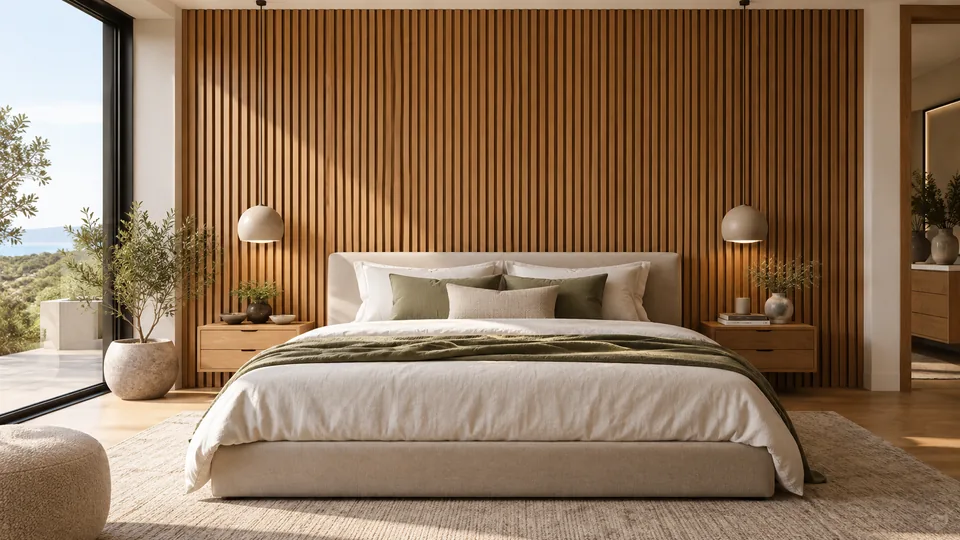
A slat wall panel is a row of narrow vertical wooden slats, typically 20–30 mm wide with 10–15 mm gaps, often pre-mounted on a backing board so a whole section hangs at once. Grooved paneling achieves a similar ribbed wood rhythm by routing channels into a single sheet. Vertical wood slat walls make ceilings feel taller; horizontal wood slat walls widen narrow rooms. Do not confuse it with a retail slatwall panel, which has horizontal grooves for shop display hooks.
Decorative wood panels for walls with shelves are a popular hybrid: a wood slat wall with shelves, or a single wood panel with shelves floating on concealed brackets, turns a TV or desk wall into storage as well as wood wall decor. Fix shelf brackets into studs, not into the slats.
Wood paneling vs wood-grain wallpaper: which should you choose?
Real wood paneling wins on depth and touch: you can feel the boards, see true end grain and refinish them later. A wood panel wall also adds a little insulation and hides wall damage. The trade-offs are cost, weight, tools and the fact that removing it means patching the wall.
Wood-grain wallpaper, also sold as wood look wallpaper, faux wood wallpaper or wood effect wallpaper, is a printed PVC film with an adhesive back. Good versions use high-resolution photography of oak, walnut, teak or weathered barn wood and an embossed surface so the grain catches the light. From a normal viewing distance of 1–2 m most visitors read it as wood; at arm's length a flat print is easier to spot than an embossed one.
- Choose real or veneer paneling for a long-term home, a statement library or office wall, or anywhere you want to stain, sand and touch the surface.
- Choose wood-grain wallpaper for rentals, quick room refreshes, furniture and cabinet faces, ceilings, or when budget and weight matter more than depth.
- Combine them by building a simple MDF grid or batten frame and covering the infill panels with wood-grain film for a realistic paneled room at a fraction of the cost.
Our self-adhesive PVC wood grain wallpaper is a typical example: 0.61 m wide, waterproof and mould-proof, in walnut, oak, teak, light wood, cream and dark brown tones.
Wood accent wall ideas for every room
A wood accent wall works best on the wall your eye lands on first: behind a bed, a sofa, a TV or a desk. Accent wall panels can cover the whole wall or a framed section, and the wood wall design can stand alone or act as a backdrop for wood wall art. These wood wall ideas cover the rooms people ask about most.
Living room and wood panel TV wall
A wood slat TV wall hides cables in the gaps and frames the screen. For a lighter budget, run dark wood wallpaper or black wood-grain film floor to ceiling behind the TV and add a floating shelf. Wood paneling ideas for living rooms often pair a warm walnut wall with white side walls to avoid a dark cave effect.
Bedroom wood wall and headboard panels
Wood panel bedroom walls tend to sit behind the bed, either full height or as half wall wood paneling at headboard height (100–120 cm). Light wood texture such as white oak or whitewash keeps a small bedroom calm, while rustic wood paneling or barnwood accent walls suit cabins and farmhouse styles.
Kitchen, bathroom and office wall paneling ideas
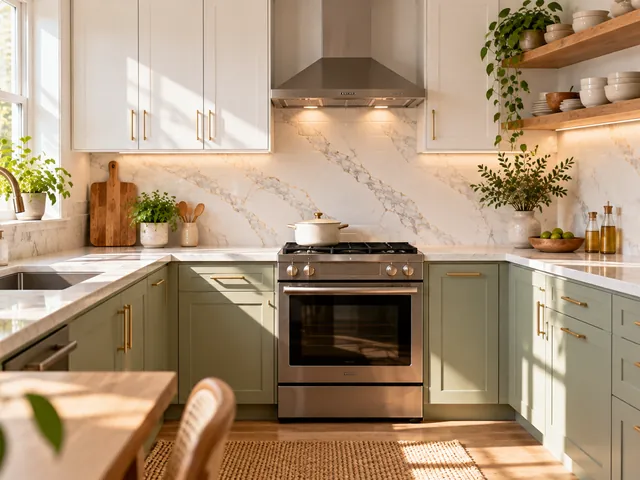
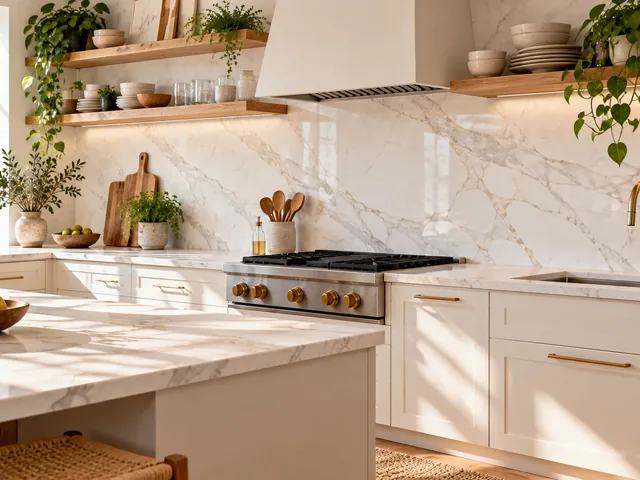
Wood on walls in a kitchen works on an island front, a breakfast nook or open shelving walls; a wood panel kitchen island can be refaced with wood-grain film in an hour. Bathroom wood panelling needs a moisture-proof material, so choose PVC wall board or waterproof wood-grain film rather than raw timber. For wall paneling ideas for an office, modern wood wall paneling behind the desk improves video calls and, with an acoustic backing, reduces echo.
For more styles, see our guide to accent wall wallpaper ideas.
Do slat wall panels work as acoustic wall panels?
Only when they are built as acoustic panels. Acoustic wall panels, sometimes called acoustic board panels or sound panels for walls, reduce echo by absorbing sound energy inside a porous layer. Wooden acoustic panels combine wood slats with a felt backing, typically PET felt 9–12 mm thick, and the gaps let sound pass through to the felt.
- Bare slats on drywall scatter sound slightly but absorb very little. They are decorative.
- Slats on PET felt absorb mid and high frequencies, which tames voices in offices, home theaters and music studios.
- Slats on felt with an air gap or mineral wool behind absorb lower frequencies too and are used in professional studios.
- Acoustic foam and wood panels mixed in a pattern give a studio look but need careful placement at first-reflection points.
Wood-grain wallpaper has no acoustic effect; it changes appearance only. If sound control matters, budget for real acoustic slat panels on the wall that faces you and use film for the rest of the room.
What is the cheapest wall paneling?
From lowest to highest cost per square meter, the usual order is: wood-grain wallpaper or decorative film, PVC wall board, laminate paneling and pre-finished wallboard sheets, MDF, plywood and veneer, then solid or reclaimed wood. In many US markets peel-and-stick film costs a fraction of real boards once you add the price of nails, adhesive, stain and labor.
Cheap wall paneling does not have to look cheap. The details that sell the effect are:
- An embossed surface rather than a smooth print, so the grain reflects light like real wood.
- Plank widths that match real boards, roughly 10–20 cm (4–8 in).
- Staggered joints and a varied pattern repeat so the same knot does not appear in a grid.
- Neat edges at corners, outlets and trim, cut with a fresh blade.
How do you install peel-and-stick wood wallpaper or stick on wall panels?
DIY wall panels, self adhesive wall panels and wood-grain films share the same basic method. The wall must be smooth, dry, clean and sealed: primed or painted drywall, painted MDF, laminate, tile or glass. Fresh paint needs about 2–3 weeks to cure before film goes on, and textured or flaking walls should be skimmed and primed first.
- Prepare the wall. Remove outlet covers, fill holes, sand bumps, wipe off dust and grease, and let the surface dry fully.
- Acclimate the rolls. Keep the film in the room for 24 hours at about 15–30 °C (60–85 °F) so it lies flat and the adhesive behaves predictably.
- Mark a plumb line. Use a level or laser to draw a vertical guide one roll width (61 cm) from the corner; walls are rarely square.
- Cut panels to length. Allow 5 cm (2 in) extra at top and bottom and check the wood pattern lines up across seams.
- Peel and stick from the top. Peel 20–30 cm of liner, align to the plumb line, and smooth downward with a felt squeegee from the center out, peeling the liner as you go.
- Overlap or butt the seams. Overlap by 3–5 mm or butt-join, then press the seam firmly with a seam roller.
- Trim the edges. Run a sharp knife along a straightedge at ceiling, baseboard and openings, and release trapped bubbles with a pin prick.
Our step-by-step guide on how to install peel-and-stick wallpaper covers corners, outlets and patterned seams in more detail.
How do you get a reclaimed barn wood look?
Reclaimed barn wood is timber salvaged from old barns and farm buildings, prized for weathered gray tones, nail holes and saw marks. Genuine reclaimed wood paneling and reclaimed wood wall boards must be cleaned, dried, checked for pests and often heat-treated, so they are expensive and inconsistent in supply.
Alternatives that deliver a reclaimed wood accent wall look:
- Barnwood wallpaper printed from photographs of real reclaimed boards, ideal for a rustic wood wall in a bedroom or bar.
- Distressed wood wallpaper with embossed knots and splits for added depth.
- Stained pine or fir boards wire-brushed and finished with a gray wash, cheaper than true reclaimed timber.
For mid century modern rooms, the opposite look applies: straight-grained walnut or teak in vertical grooved panels. Both styles are available as printed films, so one installer kit covers rustic and contemporary wood paneling.
Can you use wall panels outside?
Outdoor wall panels and exterior wood wall panels are a different product class from interior paneling. Exterior timber cladding needs rot-resistant species or treated wood, a ventilated cavity behind it and a UV-stable finish. Composite and PVC outdoor wall boards resist moisture but need expansion gaps. Peel-and-stick wallpaper and furniture films are made for interiors; direct sun, rain and freeze-thaw cycles will shorten their life, so we do not recommend them for exterior walls.
Specifying wood-grain film for retail and projects
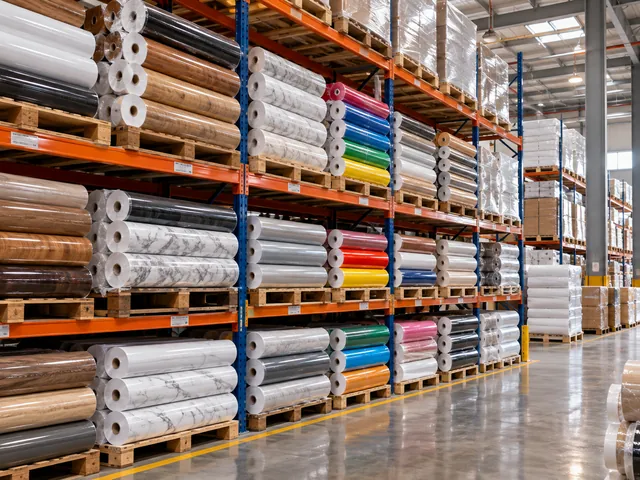
Retailers, e-commerce sellers and contractors usually stock wood-grain film in two formats. Retail wallpaper rolls are 0.61 m × 3 m (about 1.8 m² or 19.7 sq ft), sized for one person to handle and ship in a slim box. Trade rolls of 0.61 m or 1.22 m × 50 m suit installers covering hotel corridors, rental turnovers and large paneled rooms.
For doors, cabinets and wall panels that take knocks, a thicker furniture film is worth the upgrade: our home and furniture decorative films are 0.5 mm thick, embossed or smooth, matte or high-gloss, on 1.22 m × 50 m rolls with a 3-year warranty. When you request quotations, specify:
- Wood species and tone (oak, walnut, teak, white oak, black wood, weathered gray).
- Surface: flat print, embossed grain, matte or gloss.
- Thickness and roll size, plus any fire-retardant or mould-proof grade required for hotels and bathrooms.
- Private-label packaging, if you sell under your own brand.
Stock designs ship from 1 roll in 7–10 days; custom colors and packaging start at 100 rolls with 15–25 days lead time. The full range of wood, stone and solid designs is in our self-adhesive wallpaper and floor films catalog.
Next step
Tell us the wood tones you want, the surfaces you plan to cover and your estimated roll quantity, and we will recommend film grades and formats. Free A4 samples are available so you can compare texture and color on your own wall. Request samples or a quotation through our contact page.
Frequently Asked Questions
What is the cheapest wall paneling?
Peel-and-stick wood-grain wallpaper or decorative PVC film is usually the cheapest wall paneling, followed by PVC wall board and laminate paneling. It needs no saw, nails or paint, so you also save on tools and labor. An embossed surface and realistic plank widths make low-cost film look much closer to real wood.
Is wood paneling coming back in style?
Yes. Wood paneling has returned in a more modern form: vertical slat walls, grooved walnut and white oak panels, painted shaker grids and wainscoting rather than the dark, glossy sheets of the 1970s. Wood accent walls behind beds, sofas and TVs are especially popular because they add warmth without covering every wall.
Can you put wood-grain wallpaper over paneling?
You can apply wood-grain wallpaper over smooth, sealed paneling, but deep grooves will show through thin film. Fill the grooves with lightweight filler or skim coat, sand smooth, prime and let it cure. Glossy or varnished paneling should be lightly sanded and wiped clean so the adhesive can grip.
Do wood slat walls help with acoustics?
A wood slat wall helps acoustics only when the slats are mounted on an absorbent backing such as PET felt or mineral wool. The gaps let sound reach the porous layer, which absorbs echo from voices and music. Slats fixed directly to drywall are mainly decorative and absorb very little sound.
What is the difference between shiplap and wainscoting?
Shiplap is horizontal boards with overlapping edges that leave a small shadow gap, and it can cover a whole wall. Wainscoting is paneling installed only on the lower part of a wall, typically 90 to 120 centimeters high, finished with a cap rail. Both are often made from painted MDF.
Are peel and stick wall panels good for bathrooms?
Peel and stick wall panels can work in bathrooms if the material is waterproof PVC and the wall is sealed and fully dry. Avoid direct water spray inside showers, keep edges well pressed, and run the extractor fan to limit steam. Moisture-proof and mould-proof grades of wood-grain film hold up best.
What is the best wood for wall paneling?
For real boards, pine and cedar are affordable and easy to work, oak and walnut give premium grain, and plywood or veneer panels offer stable, flat sheets. Choose MDF if you plan to paint. In damp rooms, PVC wall board or waterproof wood-grain film outperforms raw timber.