Key takeaways
- Wood grain film sells in higher volume across doors, wardrobes and cabinets, while marble film sells in fewer but higher-visibility applications such as countertops, tables and feature panels.
- Both are 0.5 mm PVC films on 1.22 m x 50 m rolls with a 3-year warranty; the difference is in print, embossing, gloss level and how forgiving each is during installation.
- Marble film is usually high-gloss and shows every bubble and subfloor defect, so it needs more installer skill than matte embossed wood grain.
- A balanced first stock is roughly 60 percent wood grain (3-4 tones), 30 percent marble (white, grey, one dark) and 10 percent solid colour or frosted film.
- Stock rolls ship from 1 roll in 7-10 days; a private-label range of custom colours starts at 100 rolls with 15-25 days lead time.
Stock wood grain film as your volume line and marble film as your margin line. Wood grain covers more surfaces per home, is easier to install and sells consistently through doors, wardrobes and kitchens, so it should make up the larger share of your first order. Marble film sells in smaller quantities but at higher visibility and higher perceived value, and it is the product customers search for when they want a countertop or table refresh. Both share the same 0.5 mm PVC construction, roll size and warranty, so the decision is about demand mix and installer skill, not about quality. The sections below compare the two on the points that matter to a distributor or renovation contractor.
What the two films have in common
Before comparing, it helps to be clear on what does not change. Both wood grain and marble films in the Home & Furniture Decorative Films range are:
- 0.5 mm thick PVC film with a printed decorative layer and a protective top coat.
- Supplied on 1.22 m x 50 m trade rolls, so a single roll covers about 61 m2.
- Backed with a pressure-sensitive acrylic adhesive and a printed grid release liner for cutting.
- Covered by a 3-year warranty against peeling, fading and cracking in normal indoor use.
- Produced under ISO 9001 and ISO 14001 with CE and SGS test reports available on request.
The differences are in the print, the surface embossing, the gloss level, and the surfaces they end up on.
Head-to-head comparison
| Criterion | Wood grain PVC film | Marble PVC film |
|---|---|---|
| Typical applications | Doors, wardrobes, kitchen cabinet fronts, desks, shelving, wall panels | Countertops, dining and coffee tables, bathroom vanities, feature panels, fireplaces |
| Surface finish | Matte or satin, embossed grain texture | High-gloss or soft-gloss, smooth |
| Coverage per project | High: 15-40 m2 for a kitchen or wardrobe set | Low to medium: 2-10 m2 for a counter or table |
| Installation tolerance | Forgiving: matte embossing hides small bubbles and dust | Demanding: gloss shows every defect |
| Pattern matching | Grain direction must be consistent across panels | Veins should flow across seams; large veins are harder to match |
| Wear visibility | Scratches hidden by texture | Scratches and scuffs visible on gloss |
| Repair | Easy to patch a single panel | Patches are visible; usually replace the full surface |
| Search demand | Broad, steady, many colour variants | Concentrated on white and grey marble, seasonal peaks |
| Sales unit | Rolls and cut lengths by the metre | Cut lengths, often 2-5 m pieces |
Wood grain film: the volume line
Wood grain is the safest first product because it replaces the most common surface in any home: laminate and melamine furniture. A single kitchen refresh can use 20-30 m2, a wardrobe set another 10-15 m2. Customers who buy it once for a kitchen tend to come back for doors, skirting and shelving in the same tone.
For stock, focus on tones rather than a wide pattern range. Four tones cover most demand:
- Light oak or ash for Scandinavian and rental refurbishment work.
- Walnut for offices, reception desks and mid-range residential.
- Grey or washed wood for contemporary kitchens.
- Dark wenge or teak for hospitality and traditional interiors.
Because the surface is matte and embossed, wood grain film hides the small bubbles and dust particles that inevitably occur when a homeowner installs it in a kitchen. That translates into fewer complaints and returns, which is why it suits retail and e-commerce channels as well as contractors.
Marble film: the margin line
Marble film is what customers search for when they want a visible transformation on a budget: a kitchen island, a bathroom vanity, a table top or a TV wall panel. The area per job is small, but the perceived value is high and the product photographs well, which matters for online sales and showrooms.
The gloss finish is both the selling point and the challenge. It reflects light and reads as stone, but it also reveals every bubble, every speck of dust trapped under the film, and every dent in the substrate. Marble film therefore sells best through channels where either the installer is experienced or the customer receives clear installation instructions and a squeegee with the order. The installation guide on this site covers the technique.
Keep marble stock narrow: white Carrara-style with grey veins, a grey marble, and one dark marble (black or green) cover the large majority of orders. Wide vein patterns look impressive on a sample but are harder to match across seams on a large counter, so a medium vein scale sells more reliably.
Where marble film goes onto a countertop that will see hot pans, pair it with a clear TPU surface protection film. The TPU layer takes the heat and the scratches, and the marble print underneath keeps its gloss.
A practical stocking split for a first order
For a distributor or contractor placing a first trade order, a typical split that balances turnover and margin is:
- 60 percent wood grain across three or four tones, with light oak and walnut taking the largest share.
- 30 percent marble across white, grey and one dark option.
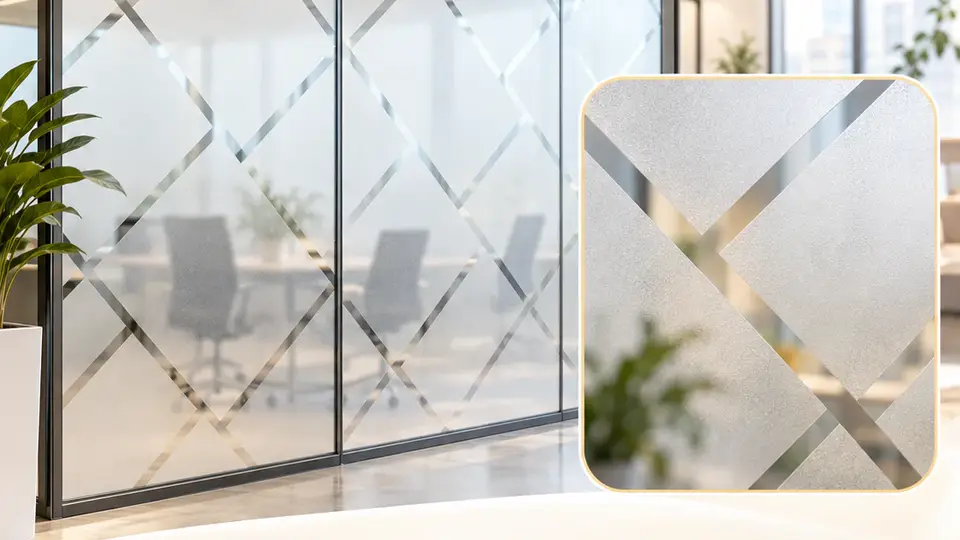
- 10 percent solid colour matte or frosted glass privacy film to cover office partitions, cupboard interiors and the occasional colour-block project.
Shanghai Mars supplies stock designs from 1 roll with a 7-10 day lead time, so you can adjust the mix after the first few months of sales data rather than committing to a large forecast up front. A private-label range with custom colours or branded packaging starts at 100 rolls with 15-25 days lead time through the OEM/ODM service. Shipping terms are FOB Shanghai or Ningbo, CIF, CFR, EXW or DDP, with payment by T/T, L/C, Western Union or Trade Assurance.
Common stocking mistakes
- Buying too many wood tones. Twelve variants of oak spread demand thin and leave slow rolls on the shelf.
- Stocking marble in gloss only. A soft-gloss or satin marble option reduces installation complaints for retail customers.
- Ignoring grain direction on cut lengths. When you sell wood grain by the metre, cut and label so the grain runs the long way on the piece.
- Selling marble without a squeegee or instructions. The product is judged on the result, and the result depends on technique.
- Mixing batches within one customer’s order. Print tone varies slightly between runs, so ship one batch per colour per project.
- Forgetting sample books. An A4 swatch of each stocked design closes more sales than a catalogue image, and samples are free.
Next step. Tell us your channel (retail, online, contractor or wholesale), your market and your rough monthly volume through the contact page, and we will suggest a starting mix of wood grain and marble designs, send free A4 samples of each, and quote roll pricing on your preferred Incoterm.
Frequently Asked Questions
Which sells more, wood grain or marble furniture film?
Wood grain typically sells more rolls because it covers more surfaces in a home: doors, wardrobes, kitchen cabinets, desks and shelving. Marble sells in smaller quantities per project but at higher visibility, mainly on countertops, tables and feature walls.
Is marble PVC film heat resistant enough for kitchen counters?
It handles everyday warm items and normal cleaning, but it is not a substitute for a trivet. Hot pans placed directly on the film can mark or deform it. For counters that see heavy heat, add a clear TPU protection film or recommend a heat-resistant mat.
What thickness is furniture decorative film?
Shanghai Mars furniture films are 0.5 mm thick, supplied on 1.22 m x 50 m rolls. This is thicker than typical 0.15-0.25 mm wallpaper film, which gives better coverage of minor surface defects and a more furniture-like feel.
Can wood grain film be used on doors and MDF?
Yes. Smooth, sealed MDF, melamine, laminate and painted wood are ideal. Raw MDF and open-grain timber must be sealed and sanded first so the adhesive has a non-porous surface to bond to.
How long does furniture film last?
Shanghai Mars furniture films carry a 3-year warranty against peeling, fading and cracking under normal indoor use. Industry-typical service life on well-prepared surfaces is 5 years or longer.