Key takeaways
- For hotels and rentals, choose PVC self-adhesive wallpaper of 0.15-0.25 mm (6-10 mil) with a scrub-resistant surface, or XPE foam panels of 3-8 mm for impact-prone corridors and headboard walls.
- Specify a removable (low-tack) acrylic adhesive for short-term rentals and a permanent (high-tack) adhesive for hotel guest rooms that will not be re-papered for 3-5 years.
- Ask for SGS test reports covering flame retardancy, VOC/formaldehyde and colour fastness before placing a project order; Shanghai Mars provides CE and SGS reports on request.
- Trade rolls of 0.61 m or 1.22 m x 50 m cut installation waste by 15-25 percent compared with 0.61 m x 3 m retail rolls on large wall runs.
- Stock designs ship in 7-10 days from 1 roll; custom colours and prints need 100 rolls MOQ and 15-25 days lead time.
For hotels and rental properties, the right self-adhesive wallpaper is a PVC film of 0.15-0.25 mm (6-10 mil) with a scrub-resistant surface, a flame-retardant rating backed by a test report, and an adhesive matched to how often the room will be redecorated: removable for short-stay rentals, permanent for hotel rooms on a 3-5 year refurbishment cycle. Buy in trade-width rolls for corridors and full walls, and confirm sample, MOQ and lead time before a project order. The rest of this guide explains each decision in detail so you can write a specification your supplier can quote accurately.
Why hospitality walls are different from home walls
A guest room wall sees more abuse in one year than most home walls see in five. Luggage scrapes the area behind the door, cleaning staff wipe surfaces with alkaline cleaners, and turnover between guests means damage has to be repaired in hours, not weeks. In serviced apartments and short-term rentals, the owner may also need to change the look between tenancies without a full redecoration.
That changes the buying criteria. Home buyers care mostly about the printed design. Hospitality buyers should care first about the substrate, the surface treatment, the adhesive and the test reports, and only then about the pattern. The Self-Adhesive Wallpaper & Floor Films range is organised around exactly these variables, so the sections below map directly onto what you would put in an inquiry.
Step 1: Choose the film type
Self-adhesive wallpaper for commercial use falls into two main families.
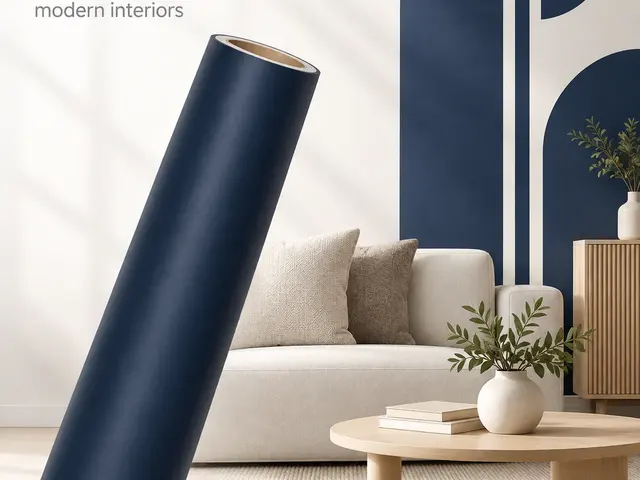
PVC self-adhesive wallpaper is a printed vinyl film with an acrylic adhesive and a release liner. It is thin, flexible, wipeable and available in the widest range of finishes: brick, wood grain, marble, solid colour, geometric, glitter and frosted. It is the default choice for guest rooms, bathrooms (above the splash zone), reception feature walls and rental apartments.
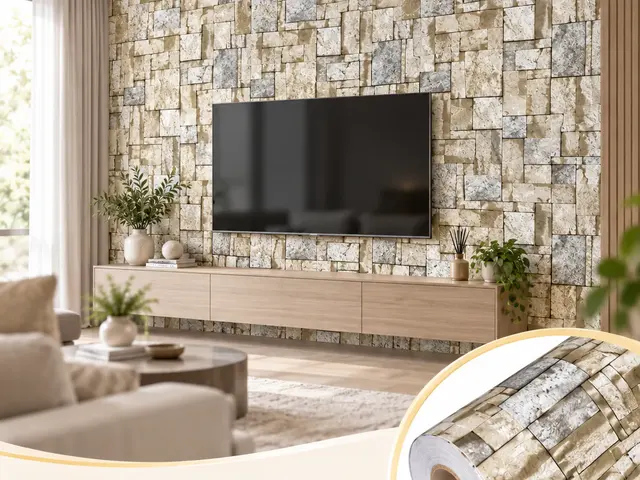
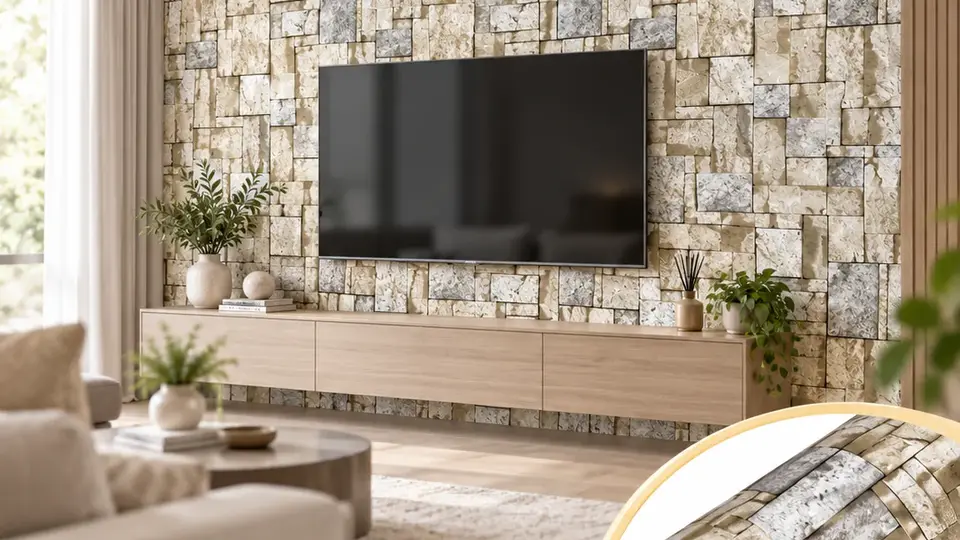
XPE foam wallpaper panels are 3-8 mm thick closed-cell foam sheets with an embossed brick or stone face and a self-adhesive backing. They add impact protection and a small amount of sound damping, which makes them popular for corridors, children’s play areas, headboard walls and budget hotels that want a 3D brick effect without real masonry.
| Criterion | PVC self-adhesive wallpaper | XPE foam 3D panels |
|---|---|---|
| Thickness | 0.15-0.25 mm (6-10 mil) | 3-8 mm |
| Surface | Printed, embossed or coated vinyl | Embossed foam, printed face |
| Impact resistance | Low to medium | High |
| Cleanability | Wipeable, scrub-resistant grades available | Wipeable, softer surface marks under sharp objects |
| Best for | Guest rooms, bathrooms, rentals, feature walls | Corridors, headboards, kids’ zones, budget 3D walls |
| Typical roll / sheet | 0.61 m x 3 m or 0.61/1.22 m x 50 m | 0.7 m x 0.77 m panels |
| Removability | Good with removable adhesive | Moderate, foam may tear on removal |
Step 2: Match the adhesive to the redecoration cycle
Adhesive choice is the single decision most buyers get wrong. Both grades use water-based acrylic adhesive, but the tack level is tuned differently.
- Removable (low-tack) adhesive reaches full bond after 24-48 hours but can still be peeled cleanly from painted plasterboard for roughly 2-3 years. Use it for short-term rentals, staged apartments and any wall you expect to change again.
- Permanent (high-tack) adhesive gives a stronger bond, better edge hold in humid rooms and longer service life. Use it for hotel guest rooms, corridors and bathrooms where the paper will stay until the next full refurbishment. Expect it to lift paint when removed.
If you are running both hotel rooms and holiday rentals from the same purchasing account, order the two grades under separate SKUs so housekeeping does not mix them up.
Step 3: Ask for the right test reports
Commercial projects usually require documentation that home buyers never see. Before you order, request:
- Flame retardancy. Ask for an SGS report and confirm the class matches your local requirement (for example EN 13501-1 in Europe or ASTM E84 in North America). Do not accept a verbal “fire-rated” claim.
- VOC and formaldehyde emissions. Relevant for hotels that market themselves on indoor air quality and for any project audited by a management company.
- Colour fastness and scrub resistance. Confirm the print will survive alkaline hotel cleaners and daily wiping.
- Factory quality system. Shanghai Mars operates under ISO 9001 and ISO 14001, and CE and SGS reports for the relevant grades are available on request. You can read more on the quality page.
Ask for the reports before you approve samples, not after the order is placed. Re-testing a custom design can add two to three weeks.
Step 4: Pick roll format and plan wet zones
Roll format
Retail rolls of 0.61 m x 3 m are convenient for a single feature wall but wasteful on long corridor runs, because every 3 m drop produces an offcut. For project work, specify trade rolls:
- 0.61 m x 50 m for standard patterned designs where narrow drops are easier for one installer to handle.
- 1.22 m x 50 m for solid colours, wood grain and marble, where fewer seams matter more than handling.
On a typical 40-room floor, switching from retail to trade rolls reduces installation waste by an industry-typical 15-25 percent and cuts the number of seams by roughly half. Order 10-15 percent above net wall area for pattern matching and trimming, and keep two spare rolls per design per floor for future repairs, because dye lots vary between production runs.
Kitchens, bathrooms and wet zones
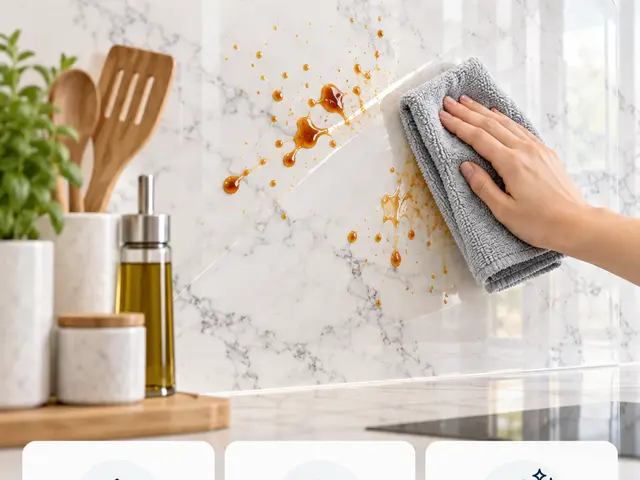
Standard PVC wallpaper handles bathroom humidity above the splash line, but the area behind a kitchenette hob or sink needs a different product. An oil-proof aluminium-foil backsplash film wipes clean of grease and tolerates heat from a cooktop far better than printed vinyl. For serviced apartments with kitchenettes, add it as a separate line item rather than extending the room wallpaper into the splash zone.
Worktops and furniture in the same units are easier to protect with a clear TPU surface protection film or to refinish with a furniture decorative film, so a single inquiry can cover walls, cabinets and counters.
Common mistakes on hospitality wallpaper orders
- Ordering retail rolls for a 200-room hotel and paying for the extra seams and offcuts.
- Applying permanent-adhesive paper in rental units that turn over every six months.
- Skipping primer on fresh plaster; the adhesive draws moisture out of the wall and edges lift within weeks.
- Approving a design from a screen image instead of a physical A4 sample under the hotel’s actual lighting.
- Mixing dye lots across one corridor. Always specify a single production batch per design and area.
- Forgetting spare rolls, then discovering the design has been discontinued when a room is damaged two years later.
Ordering timeline and terms
For stock designs, Shanghai Mars ships from 1 roll with a 7-10 day lead time. Customised colours, prints or private-label packaging require 100 rolls and 15-25 days. Shipment is offered FOB Shanghai or Ningbo, CIF, CFR, EXW or DDP, with payment by T/T, L/C, Western Union or Trade Assurance. For a refurbishment programme, build the schedule around the custom lead time plus sea freight, and order the first floor’s material early enough to install a mock-up room before the main batch is released.
Next step. Send the wall areas, room types and the fire standard you need to meet through the contact page, and we will recommend film type, adhesive grade and roll format and send free A4 samples of the designs you shortlist. You can also request a project quotation with the test reports attached.
Frequently Asked Questions
Is self-adhesive wallpaper durable enough for hotel guest rooms?
Yes, if you specify a PVC film of at least 0.15 mm with a scrub-resistant embossed or coated surface and a permanent acrylic adhesive. Industry-typical service life on properly primed walls is 3-5 years in guest rooms and 2-3 years in corridors.
Will peel-and-stick wallpaper damage rental walls when removed?
Removable-adhesive grades are designed to peel off painted plasterboard without tearing paint when removed within about 2-3 years. Permanent grades may pull paint, so they should be used only where re-papering is not planned.
What fire rating should I ask for?
Ask the supplier for a flame-retardant grade with an SGS test report and check the result against the standard your local building authority requires, such as EN 13501-1 or ASTM E84. Ratings differ by region, so confirm the exact class before ordering.
How much wallpaper do I need for a hotel project?
Measure total wall area in square metres, add 10-15 percent for pattern matching and trimming, then divide by roll coverage. A 0.61 m x 3 m roll covers about 1.8 m2, and a 1.22 m x 50 m trade roll covers about 61 m2.
What is the minimum order for custom hotel wallpaper designs?
Shanghai Mars accepts 1 roll for stock designs and 100 rolls for customised colours, patterns or private-label packaging. Free A4 samples are available before you commit.
Can self-adhesive wallpaper be applied over existing wallpaper or tiles?
It can be applied over smooth, clean, well-adhered surfaces including glazed tile and vinyl-coated wallpaper. Textured, flaking or porous surfaces must be sanded, filled and primed first, or the adhesive will fail at the edges.